

Most towns here were designed for one thing. Getting in, getting out, and never looking back.
Twenty places broke that pattern. They kept their historic cores. They added pedestrian infrastructure. They made downtowns destinations instead of drive-throughs.
Walk Score does not lie. It just rarely has anything good to say about the Bluegrass State.
1. Bardstown, Bourbon Capital of the World
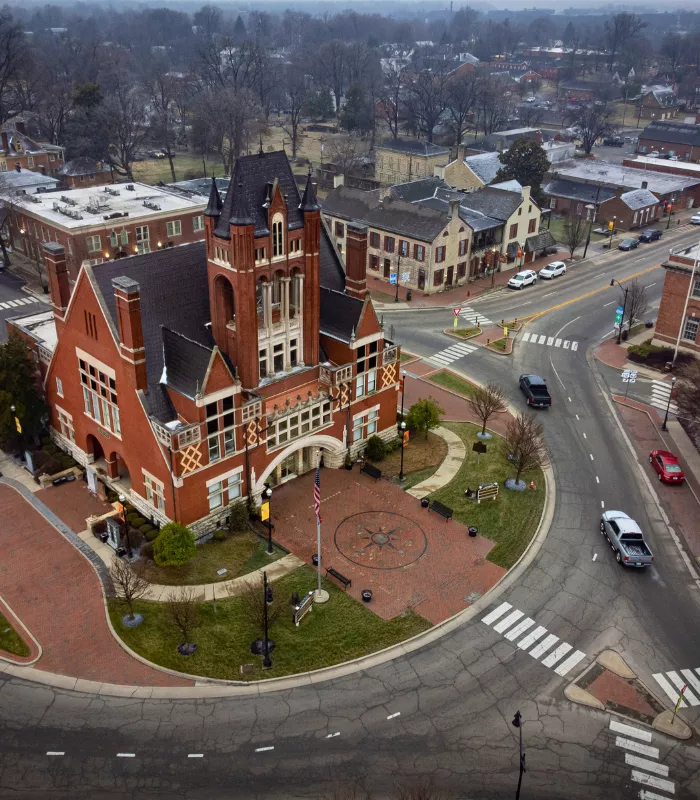
1779 is when the Old Talbott Tavern went up, and if you have ever stood in its creaky dining room, you know time moves slower there.
Bardstown packs three centuries into a stroll. The Historic Walking Tour hits 48 stops. Spalding Hall once housed a Civil War hospital. The John Fitch Memorial honors the steamboat inventor who died in town. And yes, five bourbon distilleries sit on the Kentucky Bourbon Trail, all within easy walking distance.
We used to think small towns had to choose between history and hustle. Bardstown refused.
Verdict: Bourbon, history, and sidewalks that actually go somewhere. Not many places pull that off.
2. Midway, Tiny Town
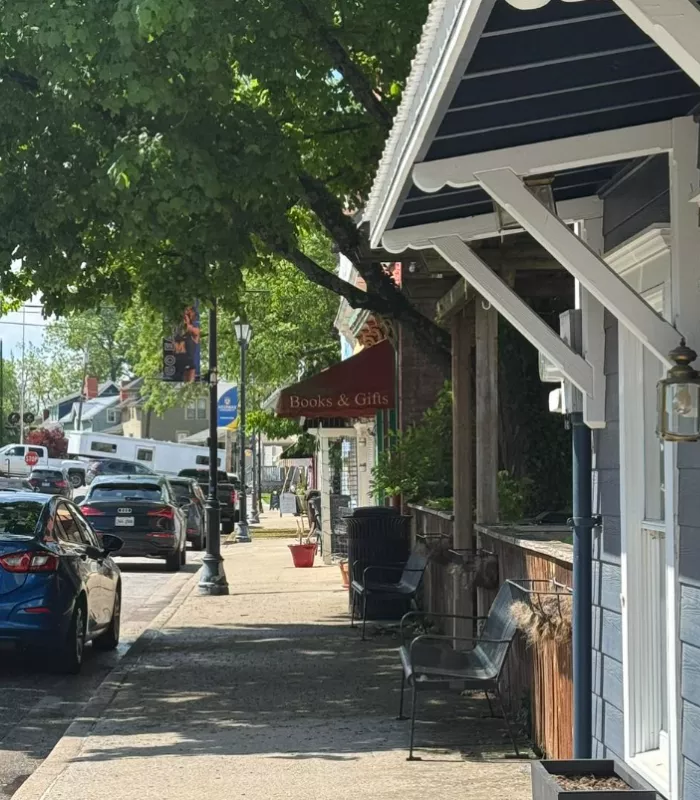
Picture a town of 1,700 where you can walk from a gelato shop to a vineyard in under ten minutes.
Midway would not have been on anyone’s list before 2003. Then a streetscape renovation turned it into one of the prettiest downtowns in America. The Brown Barrel, Heirloom Restaurant, Midway Bakery, Weisenberger Mill, Equus Run Vineyards, and Walter Bradley Park all sit within a couple of miles.
It was not the food’s fault, it was the era. And the era changed.
Walk Score never measured this place, but try covering it in an afternoon without parking twice.
3. Berea, Folk Arts and Crafts Capital
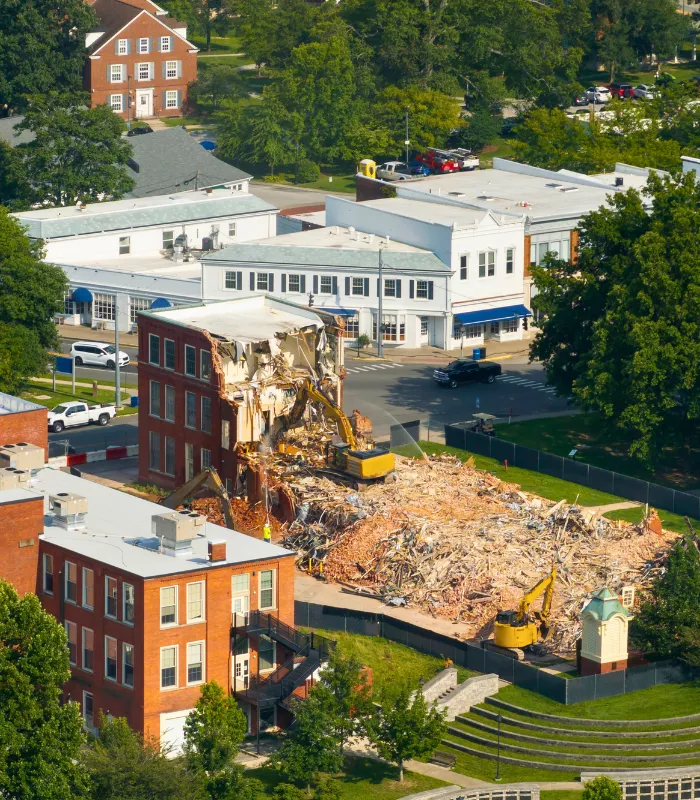
About 16,000 people live here, yet the entire downtown feels like one long gallery opening.
Berea is famous for three things: art galleries, historic buildings, and Berea College. The Cabin Of Old Town Artisan Gallery, Top Drawer Gallery, and the July Berea Craft Festival draw visitors. The old L and N Passenger Depot serves as the Welcome Center. Campus buildings from the college add their own heritage to the walkable core.
Most people got this one wrong. They thought arts towns had to be big.
Challenge: If you still think crafts are just for tourists, name one festival that draws serious buyers every summer.
4. Bloomfield, The Bruckheimer Revival
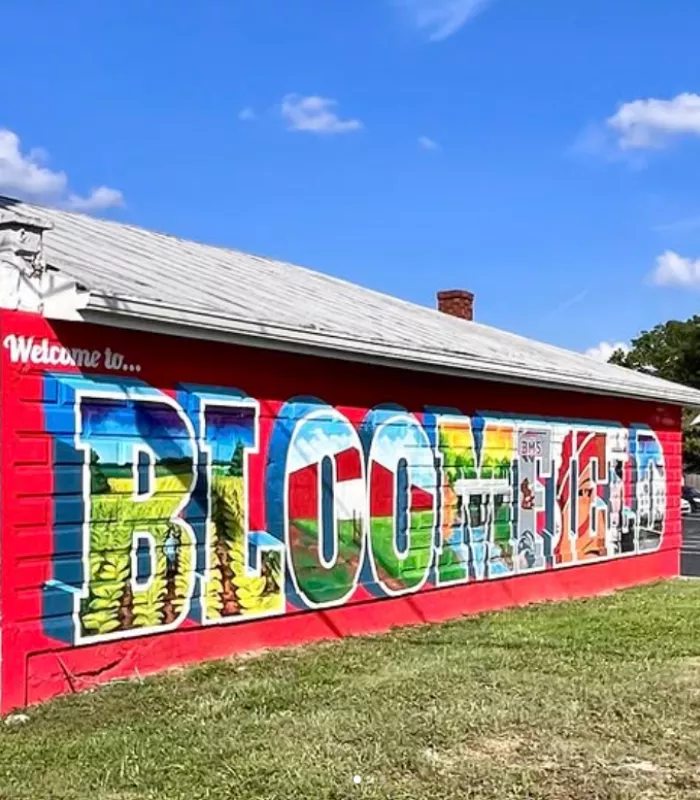
In the 1990s, a Hollywood producer and his novelist wife bought a handful of buildings in a fading downtown.
Jerry and Linda Bruckheimer restored Bloomfield block by block. Nettie Jarvis Antiques, The Double Dip Soda Fountain, and Ernie’s Tavern now thrive in buildings they saved. The whole effort turned a sleepy stop into a walkable destination where every storefront tells a story.
I will admit it. I assumed celebrity money would ruin the place. It did the opposite.
Walk Score: not listed. Walking distance between antiques, ice cream, and dinner: about 90 seconds.
5. Danville, City of Firsts
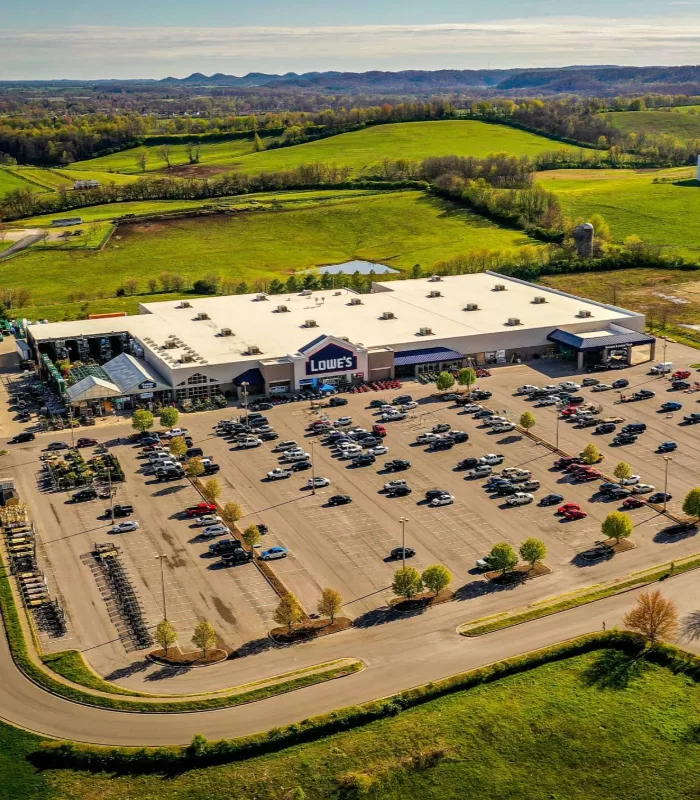
First courthouse in Kentucky. First U.S. post office west of the Alleghenies. First successful removal of an ovarian tumor.
Danville earned the nickname City of Firsts, and you can walk past many of those firsts on the Downtown Danville Historic Walking Tour. Constitution Square and the McDowell House Museum anchor the route. The Art Center of the Bluegrass and the Bites of the Bluegrass food and drink tour add art and appetite to the mix.
It was not the town’s fault, it was the era. And the era forgot to mention the medical milestone.
Verdict: History you can touch, art you can see, and a food tour that keeps you moving.
6. Winchester, Ghosts and Galleries
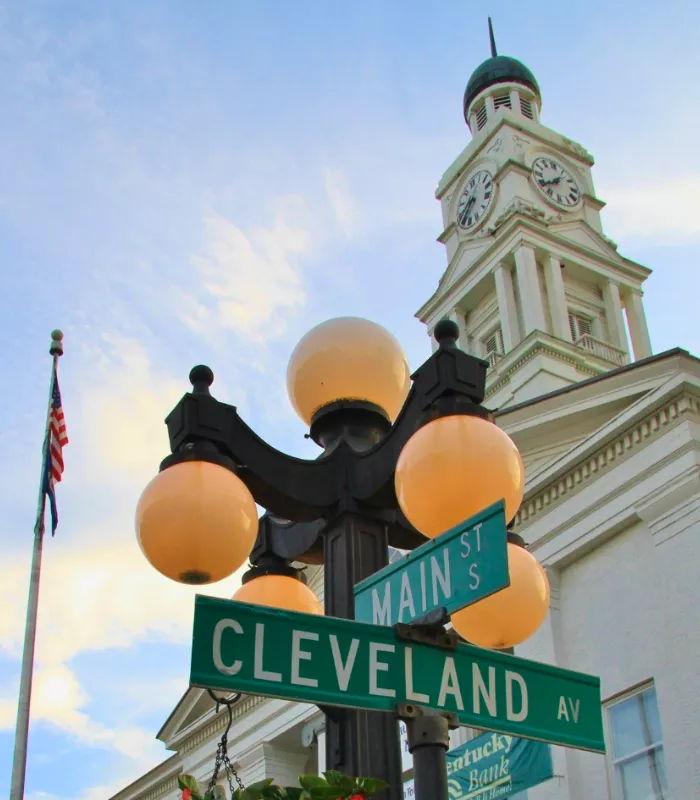
Nearly 20,000 residents and a downtown that still feels like a postcard from 1950.
The Downtown Walking Tour stops at 27 sites. The Kerr Building has served every purpose since 1889. The Leeds Theatre, built in 1925, now runs as the Leeds Center for the Arts. The Bluegrass Heritage Museum sits in a late 19th century Romanesque Revival mansion. And Winchester Walks offers ghost tours for those who want their history with a chill.
Most people got this one wrong. They thought walkable meant modern.
Walk Score: 36. Number of supposedly haunted buildings on the ghost tour: enough to make you double-check your keys at night.
7. Paris, Horses and Tall Buildings
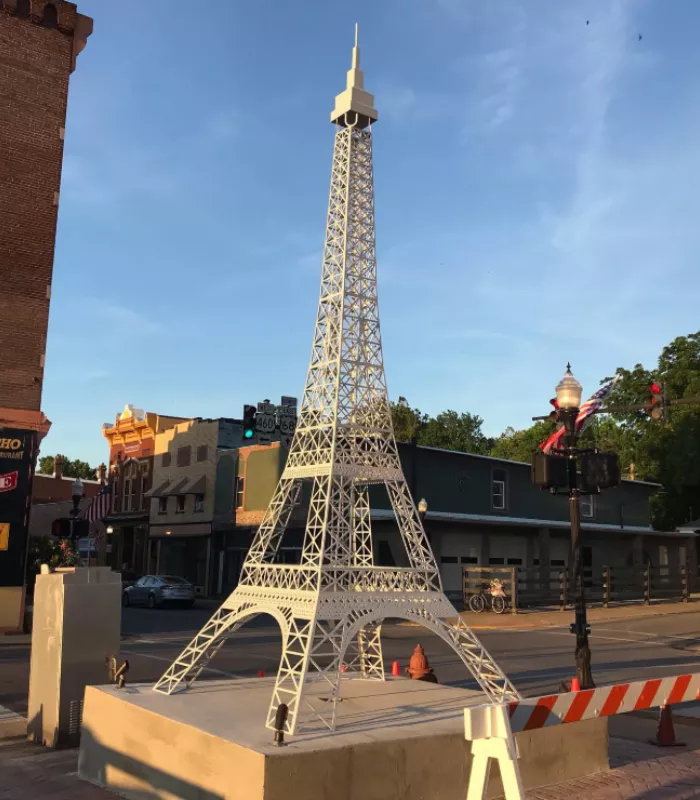
Not the Paris with the Eiffel Tower. This one has Secretariat.
Paris, Kentucky, is walkable for humans and horses. The Duncan Tavern Historic Center, Bourbon County Courthouse, and Claiborne Farm all sit within strolling distance. Secretariat spent his retirement at Claiborne and is buried in town, honored with a statue, mural, park, and festival. And somewhere downtown, the Paradise Cafe claims to operate in the world’s tallest three-story building.
We used to think small towns could not compete with big-city attractions. Then we remembered the horse.
Question: When was the last time your city dedicated a park to a retired athlete who never played a down or swung a bat?
8. Stanford, Hallmark Without the Hallmark
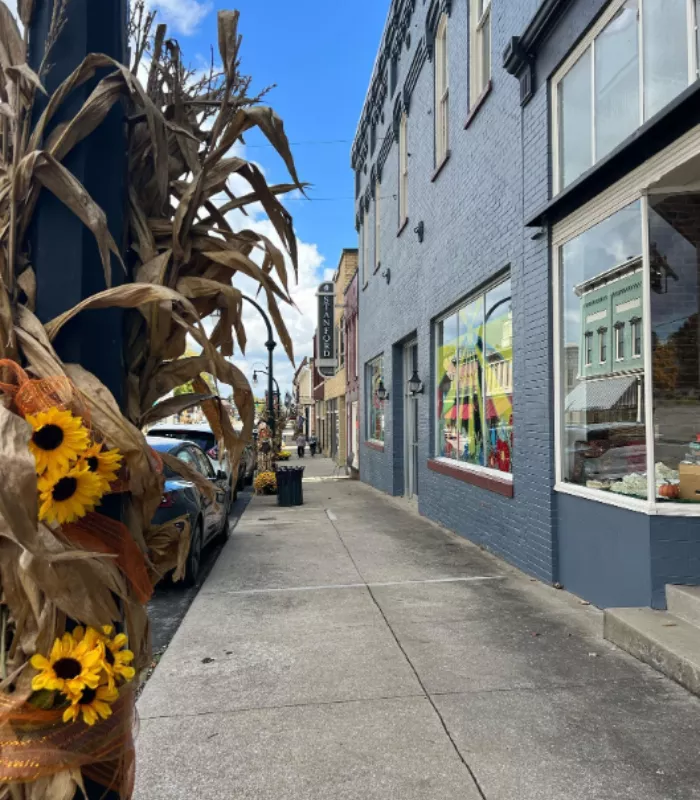
2022 brought a Christmas special to Stanford, and the cameras did not have to fake the charm.
Great American Christmas in Kentucky filmed right here, capturing Mama DeVechio’s Pizzeria, 4 Generations, Morgan’s On Main, Kentucky Soaps and Such, the Stanford Inn, and the Lincoln County Courthouse. A mural at 216 West Main Street adds the finishing touch. The whole downtown feels like a Hallmark movie that forgot to call the network.
It was not the town’s fault, it was the era. And the era finally noticed.
Walk Score: not listed. Number of businesses you can hit before lunch: at least eight.
9. Franklin, Nashville’s Quiet Neighbor
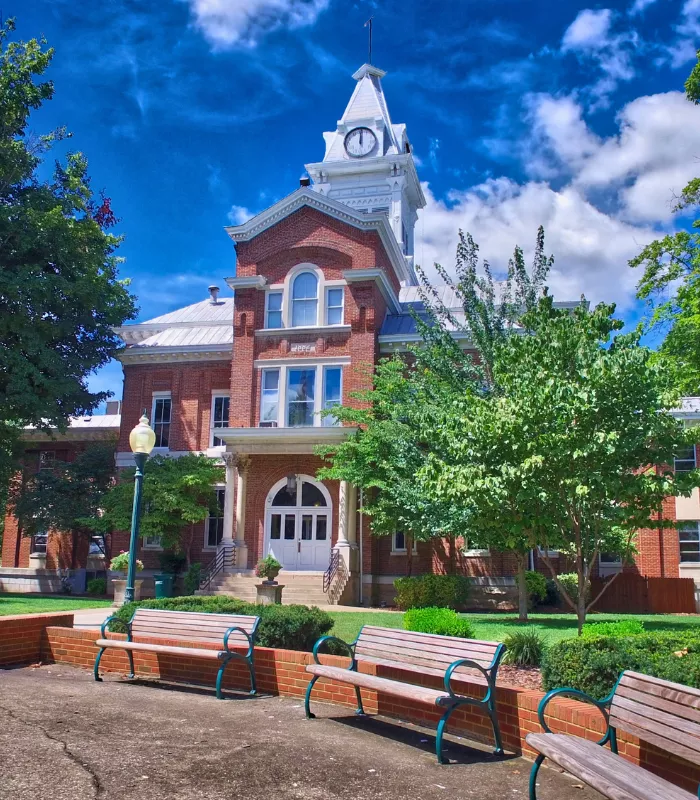
Before you burn a tank of gas heading to Nashville, try walking Franklin instead.
About 10,000 people call this southwestern Kentucky town home. Tim’s Main Street Diner, Best Donuts, the Brickyard Cafe, the Historic Simpson County Courthouse, and the Mill House Cafe all sit within a few blocks. Your vacation rental is probably closer than you think. The vibrant downtown gives you sights, bites, and nights without the interstate traffic.
I will admit it. I drove past Franklin for years. Now I park and stay.
Verdict: All the small-town charm, none of the Nashville congestion.
10. St. Matthews, Walk Score 50
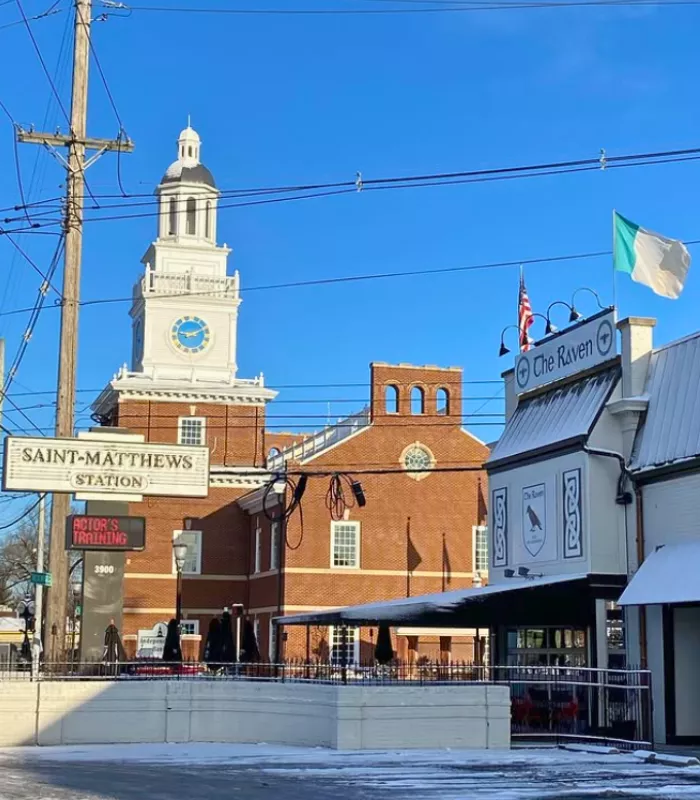
Walk Score 50 does not sound impressive until you realize it tops the state.
St. Matthews leads Kentucky with that score, and neighborhoods like Beechwood Village and Richlawn back it up. Shops, restaurants, and attractions cluster along pedestrian-friendly streets. Median sale price sits around $302,450, and rent hovers near $1,486. For a state better known for horses than sidewalks, that is saying something.
Most people got this one wrong. They assumed the biggest city would win.
Walk Score: 50. Ranking in Kentucky: number one.
11. Covington, Riverfront Redevelopment
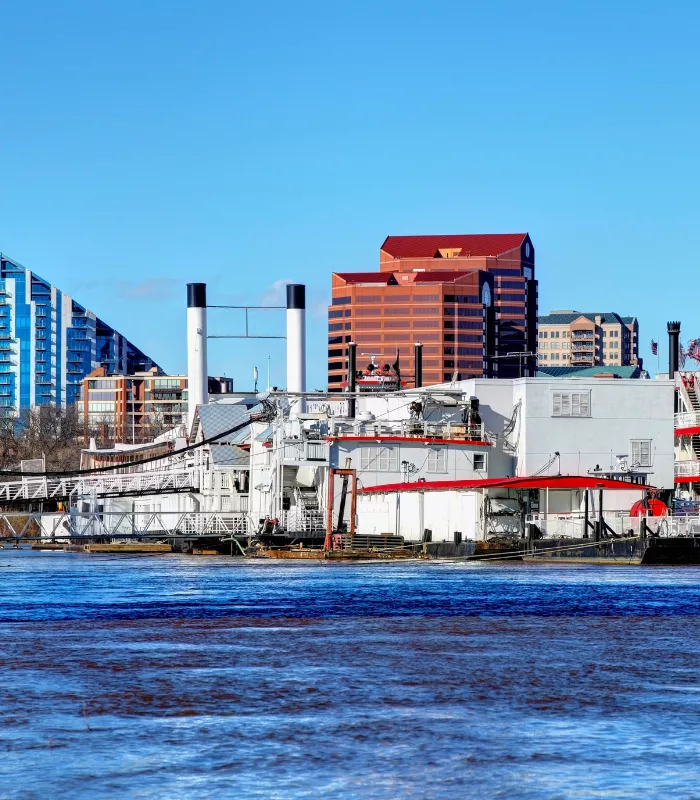
Across the Ohio from Cincinnati, Covington rebuilt its downtown when most river towns gave up.
Walk Score sits at 42. Main Street, the Old Covington City Hall, and the Roebling Suspension Bridge anchor the pedestrian core. The 1880s Carnegie Library, the Artisans Enterprise Center, and the Covington Latin School all sit within walking distance. The riverfront itself is a draw, with parks, trails, and views that make the stroll worth the effort.
It was not the town’s fault, it was the era. And the era finally noticed the riverfront.
Verdict: Small-town feel, big-city views, and a bridge that actually connects you to something.
12. Paducah, UNESCO Arts Town
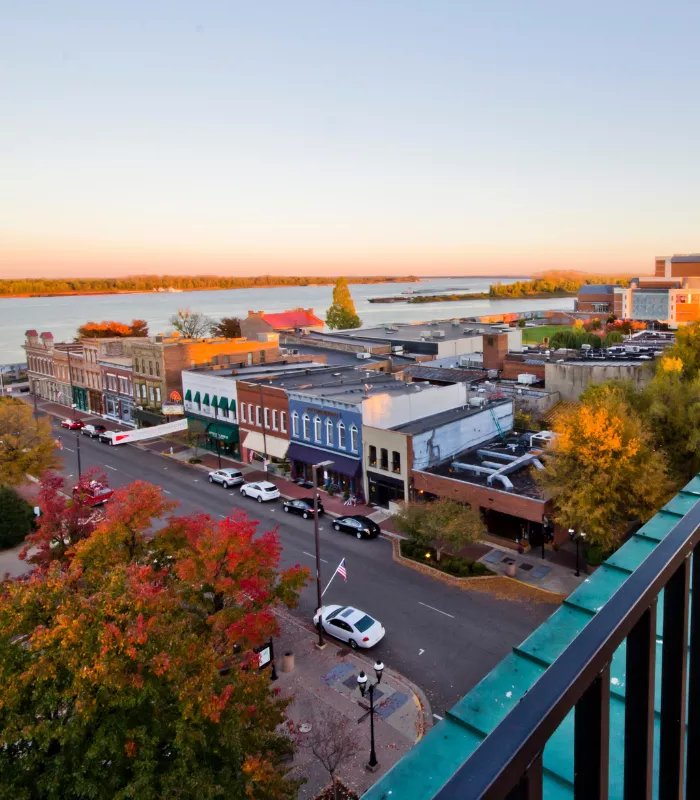
Not many towns of 25,000 can claim a UNESCO Creative Cities designation. Paducah did.
Walk Score sits at 38. The Arts and Cultural District, the National Quilt Museum, and the Chief Theatre all anchor the downtown. Floodwall murals tell the town’s history in paint. The Riverfront Park and the Historic Railroad District add layers to the walkable core.
Most people got this one wrong. They thought arts towns had to be coastal.
Walk Score: 38. UNESCO designation: rare for a town this size.
13. Bowling Green, Corvette Capital
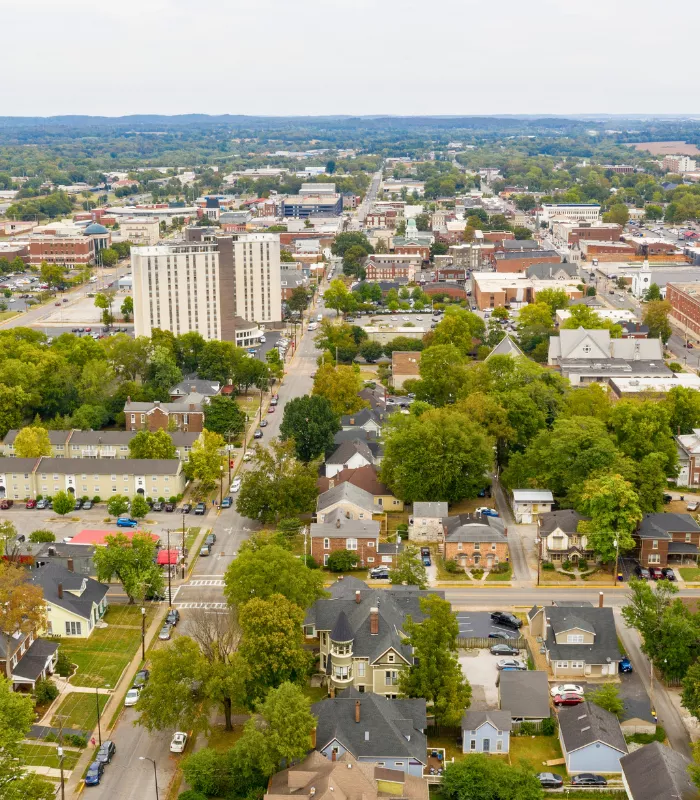
Home of the Corvette, and the National Corvette Museum is only part of the story.
Walk Score sits at 37. The downtown square, the Historic Railpark and Train Museum, and the Kentucky Museum on the Western Kentucky University campus all sit within walking distance. The Big Four Bridge and the Green River offer trails for those who want to extend the stroll.
I will admit it. I assumed a car town would forget about pedestrians. It did not.
Question: When was the last time your city dedicated a museum to a single model of car and still made walking downtown worthwhile?
14. Owensboro, River Music and Museums
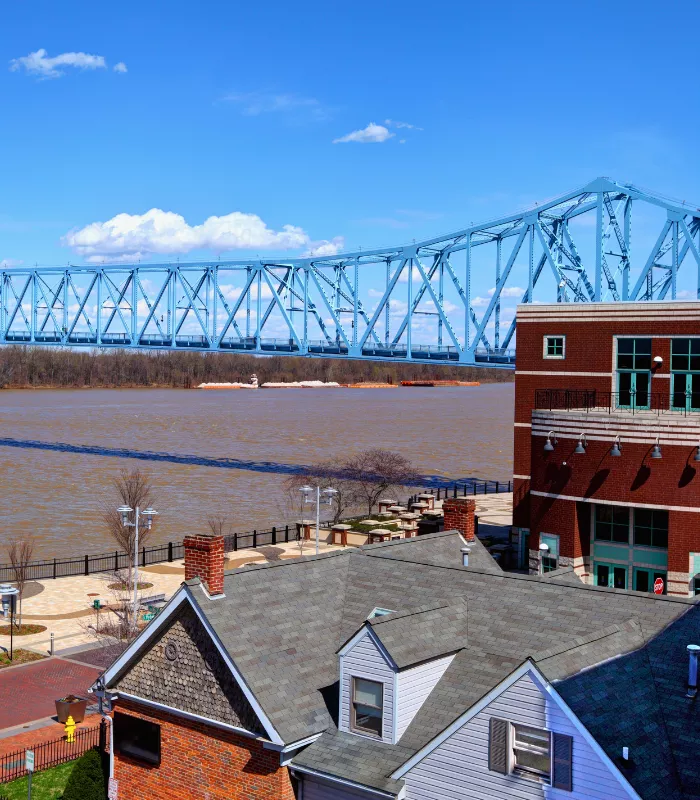
Bluegrass music started here, and the International Bluegrass Music Museum keeps the tradition alive.
Walk Score sits at 36. The Smothers Park, the Riverpark Center, and the Historic Downtown District all sit within walking distance. The F.J. White Convention Center and the Owensboro Museum of Fine Art add to the cultural mix.
It was not the town’s fault, it was the era. And the era finally noticed the music.
Walk Score: 36. Number of bluegrass legends who called this town home: enough to fill a museum.
15. Richmond, Eastern Kentucky University
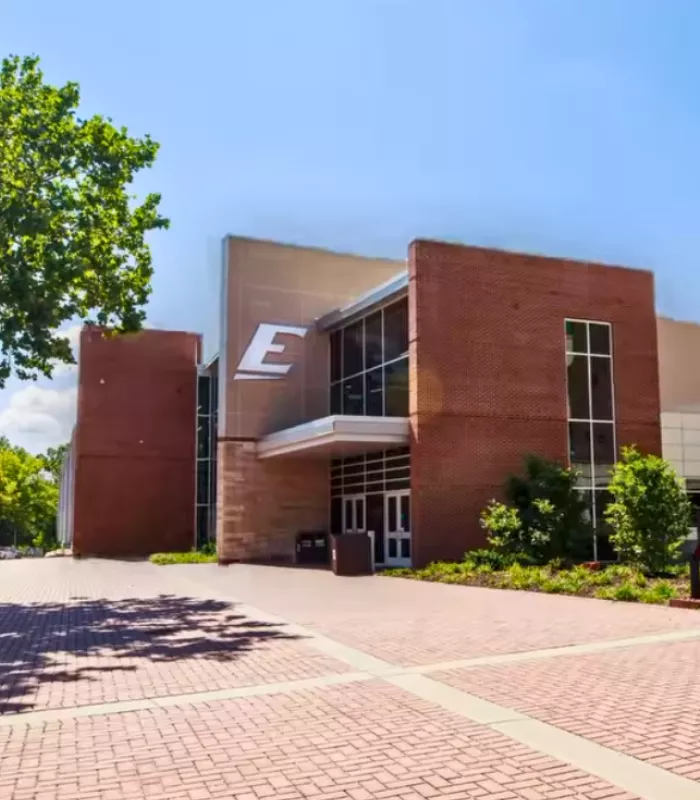
Eastern Kentucky University dominates the landscape, but the downtown holds its own.
Walk Score sits at 35. The Madison County Courthouse, the Richmond Cemetery, and the Bluegrass Trust for Historic Preservation all sit within walking distance. The Richmond Art Center and the Richmond Cemetery add cultural and historical layers to the stroll.
Most people got this one wrong. They thought college towns had to be big.
Verdict: A college town that remembers its history and still makes walking downtown worthwhile.
16. Louisville, Phoenix Hill
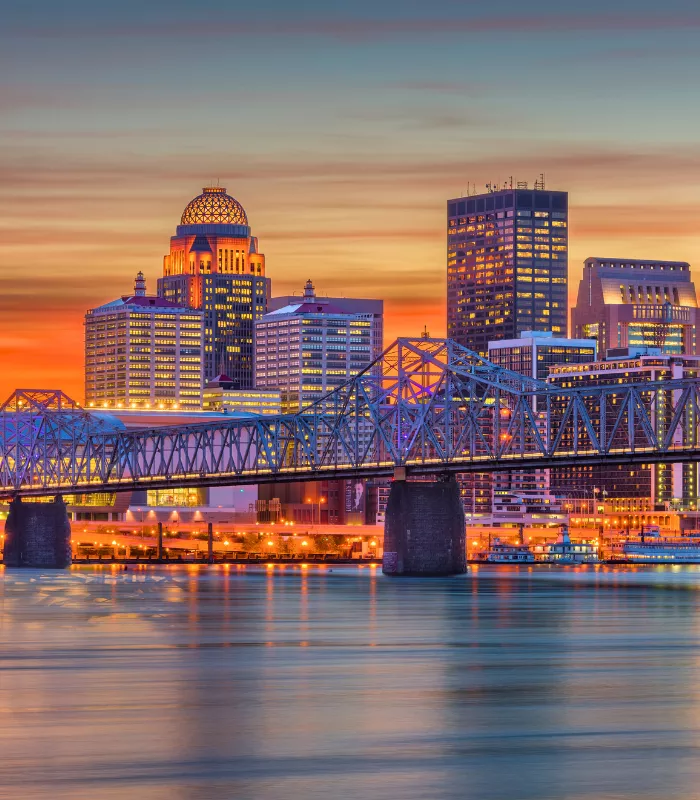
Not all of Louisville is walkable, but Phoenix Hill is.
Walk Score sits at 83 in this neighborhood. The Cherokee Park, the Louisville Zoo, and the historic homes all sit within walking distance. The Bardstown Road corridor offers shops, restaurants, and cafes that make the stroll worth the effort.
I will admit it. I assumed the biggest city would be the least walkable. Phoenix Hill proved me wrong.
Walk Score: 83. Ranking in Louisville: number one.
17. Lexington, Downtown
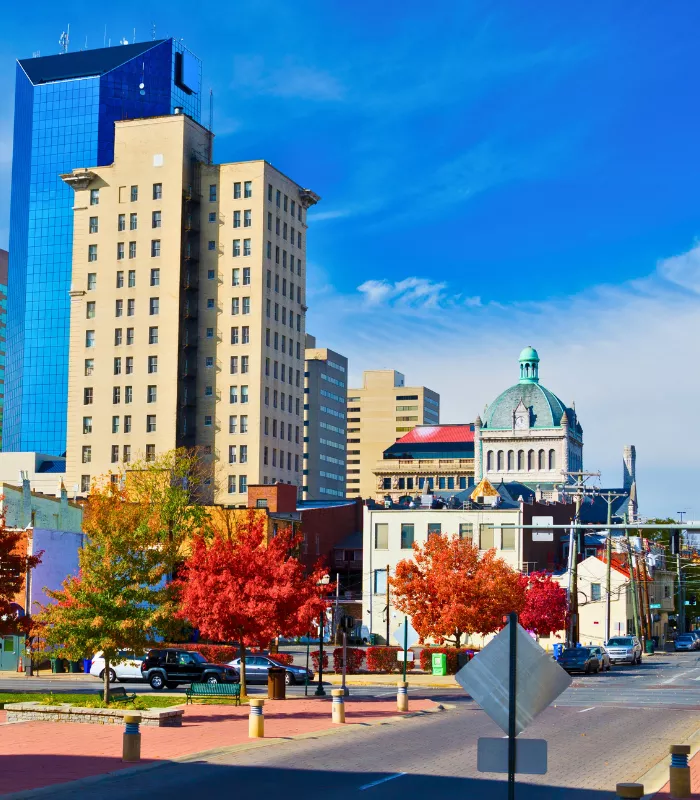
Not all of Lexington is walkable, but the downtown core is.
Walk Score sits at 81 in this area. The Transylvania University, the Lexington History Museum, and the historic homes all sit within walking distance. The Cheapside Park and the Rupp Arena add cultural and entertainment layers to the stroll.
It was not the town’s fault, it was the era. And the era finally noticed the downtown.
Question: When was the last time your city dedicated a park to a historic district and still made walking downtown worthwhile?
18. Florence, Florence Nature Park
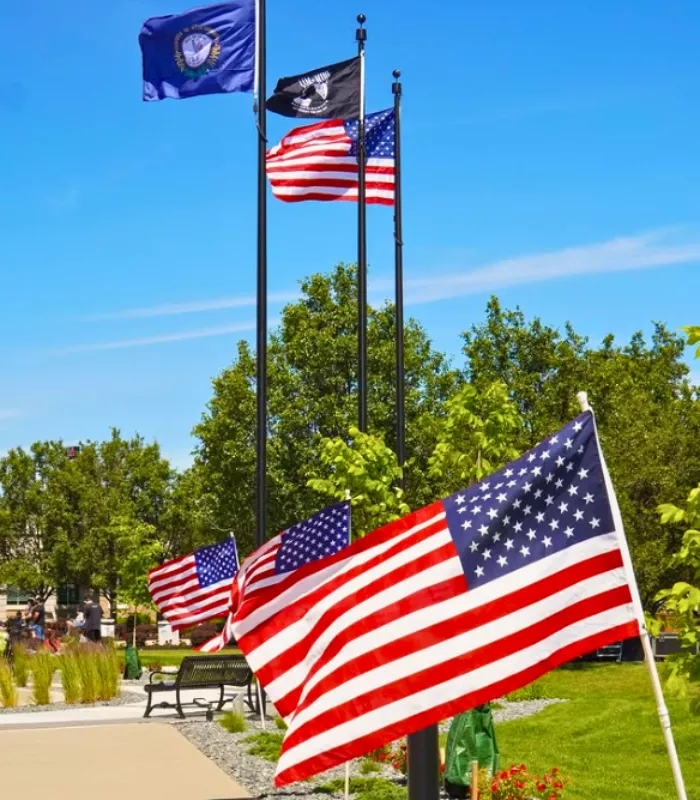
Florence is not just a mall town, and the Florence Nature Park proves it.
Walk Score sits at 33. The Florence Mall, the Florence Nature Park, and the historic downtown all sit within walking distance. The Florence Freedom baseball team and the Florence Skate Park add recreational layers to the stroll.
Most people got this one wrong. They thought mall towns had to be car-dependent.
Walk Score: 33. Number of trails in Florence Nature Park: enough to make you forget the mall exists.
19. Georgetown, Toyota Town
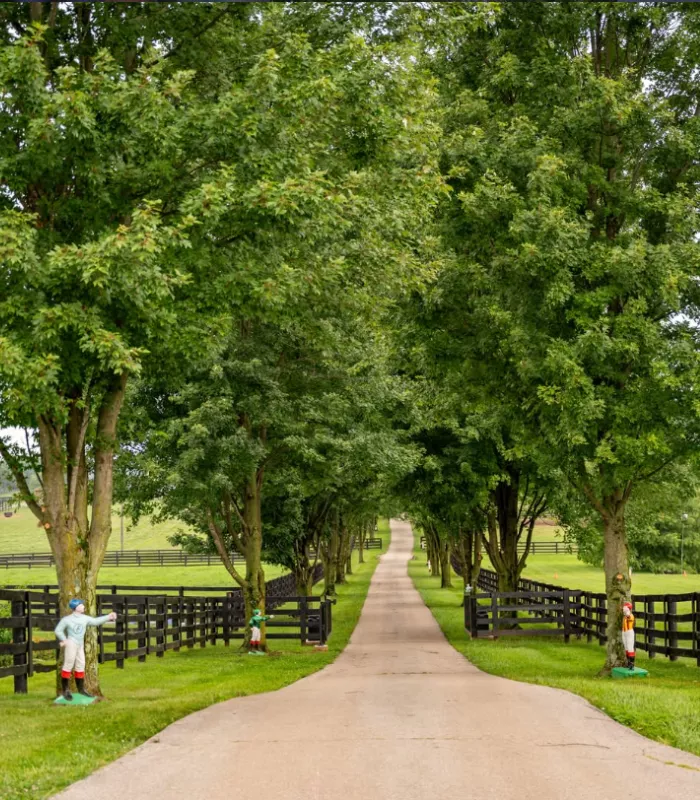
Toyota’s American headquarters sits in Georgetown, but the town still remembers its roots.
Walk Score sits at 23. The Georgetown College, the historic downtown, and the Toyota Visitor Center all sit within walking distance. The Cardome Centre and the Georgetown Museum add cultural and historical layers to the stroll.
I will admit it. I assumed a car plant town would forget about pedestrians. It did not.
Verdict: A factory town that still makes walking downtown worthwhile.
20. Frankfort, Capital City
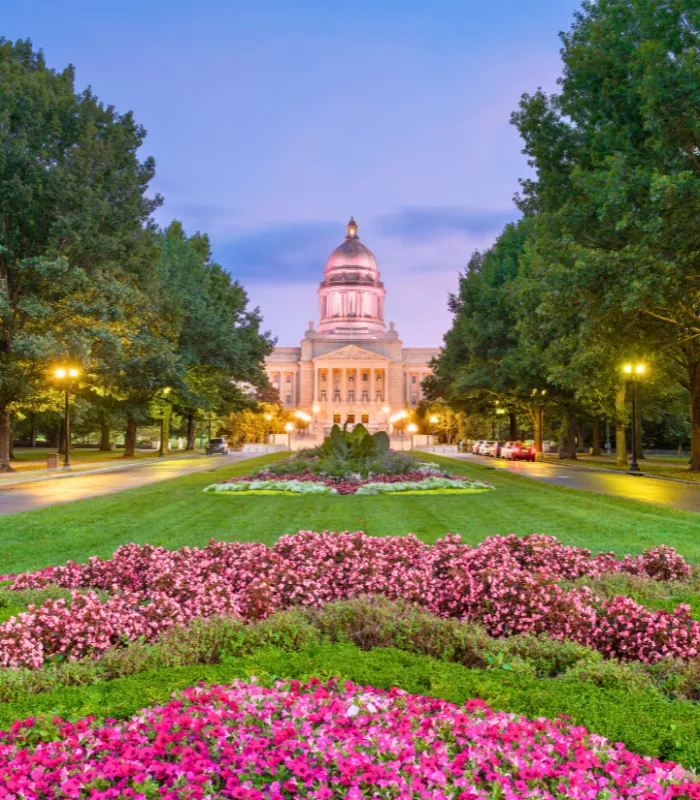
Frankfort is the capital of Kentucky, and the state capitol is only part of the story.
Walk Score sits at 29. The Kentucky State Capitol, the Kentucky History Museum, and the historic downtown all sit within walking distance. The Thomas D. Clark Memorial Library and the Frankfort Cemetery add cultural and historical layers to the stroll.
It was not the town’s fault, it was the era. And the era finally noticed the capital.
Walk Score: 29. Number of state capitals you can walk through in a day: one.