

There was more truth in that than we like to admit.
Still, some towns quietly set us up to succeed on foot anyway.
They built grids instead of mazes and put groceries near front porches instead of highway exits.
Those places feel almost suspiciously convenient.
The punch line is that it was intentional the whole time.
1. New Orleans, French Quarter
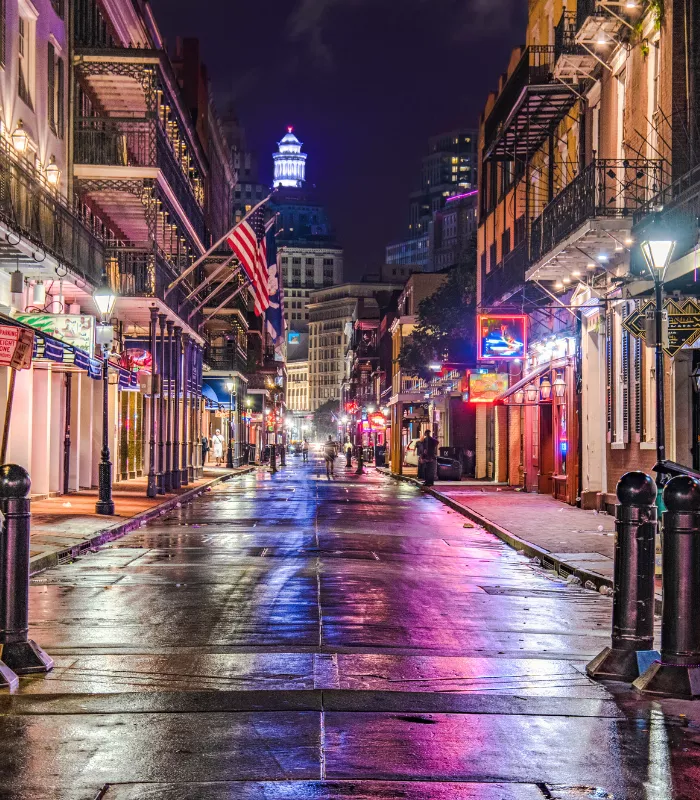
By 1718, the French had already laid out a grid that would outlast every automobile trend we ever chased. The French Quarter was never meant for cars. It was meant for footsteps, for gossip on corners, for the slow drift from café to courtyard.
We learned to navigate by the sound of streetcars and the smell of chicory. You could buy groceries, get your shoes fixed, and catch a live set without ever touching a steering wheel. That kind of convenience is not a trend. It is a design.
Sure, the tourists crowd Bourbon Street. But the real walkability lives on Chartres and Royal, where the sidewalks are wide and the blocks are short. You can live here without a car and never feel stranded.
Walk Score 86.56, the highest in the state. The number does not lie.
2. Gretna, McDonoghville
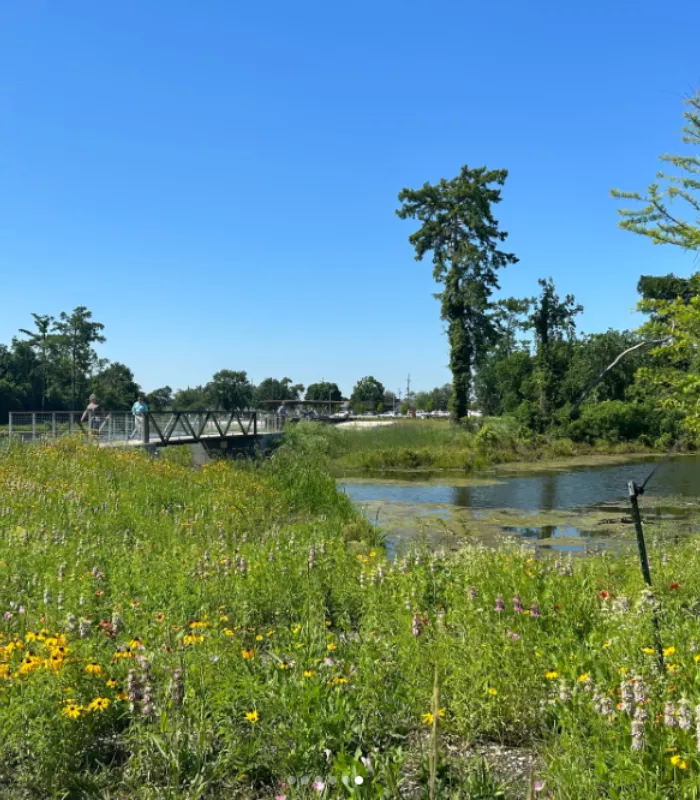
Most people think Gretna is just across the bridge, a place you drive through. They are wrong. McDonoghville, the historic core, was built for walking long before anyone owned a Buick.
The streets are narrow by design. Shops sit shoulder to shoulder with restaurants and salons. You park once and spend the day on foot. That is how we used to do everything.
Garden Park and the riverfront trail give you somewhere to go when you have walked every block. The town feels like a small French village that forgot to stop being one.
Walk Score 65, tops for any Louisiana city outside New Orleans proper.
3. Houma, Downtown Core
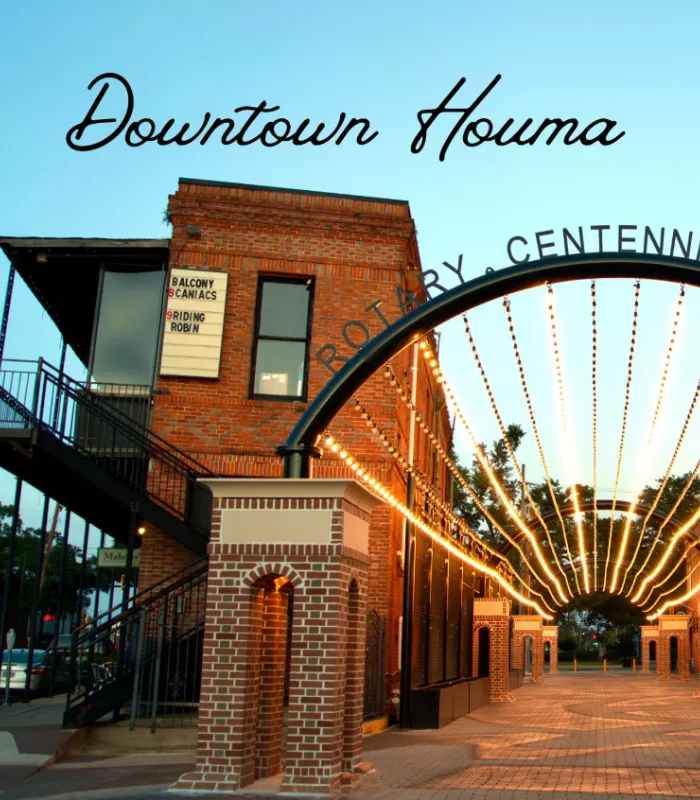
Let us be honest. Houma is not on anyone’s postcard. But the downtown core has a Walk Score of 71, which means most errands can be done without starting the car.
Restaurants, shops, and the courthouse cluster within a few blocks. The bayou runs right behind Main Street, so you can walk to lunch and then walk to the water. That is a rare combination.
We do not talk about Houma as a walking town because we are too busy talking about the food. But the layout is the real secret. Compact, connected, and stubbornly pedestrian in an age that forgot how to stroll.
Very Walkable by official rating. Most errands on foot. No exaggeration.
4. Abbeville, Historic District
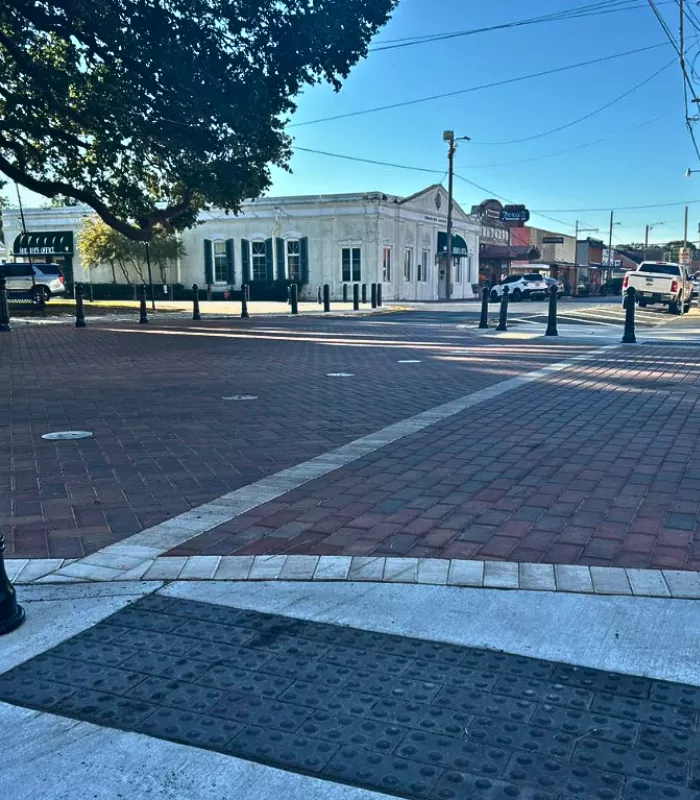
Abbeville sits in the heart of Cajun country and carries a Walk Score of 73. That is higher than most suburbs we pretend are convenient.
The historic district is a grid of blocks where every building has a purpose. You can get coffee, browse antiques, and grab a plate of crawfish without crossing a single four-lane road. That is how towns used to work.
We do not need to romanticize the past to admit this was better. The sidewalks are there. The distances are human. The cars are guests, not governors.
73 out of 100. Very Walkable. The score does the talking.
5. Natchitoches, Cane River District
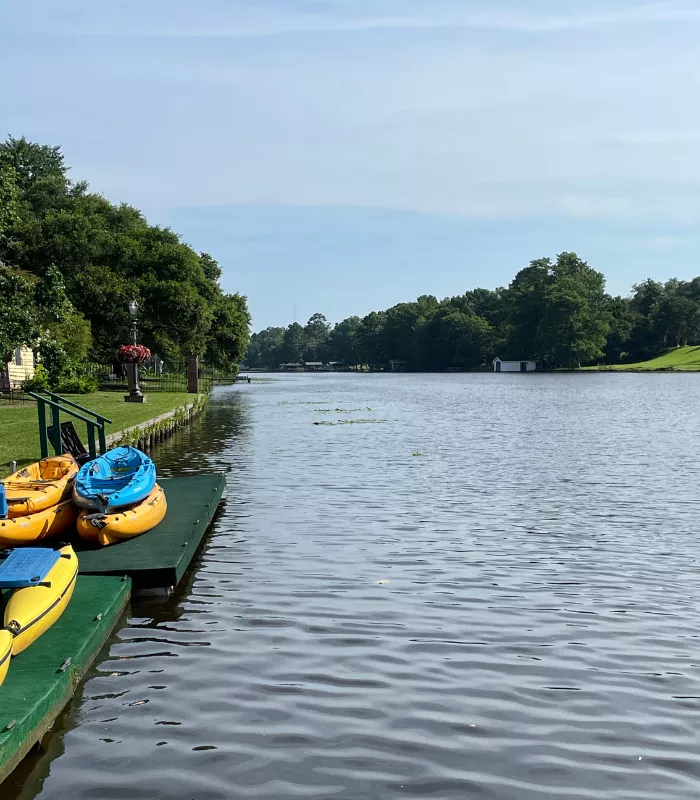
Founded in 1714, Natchitoches is older than New Orleans and looks it. The 33-block historic district is a pedestrian’s dream, with brick streets and storefronts that have not changed since we were young.
You can walk from the courthouse to the river, past the Steel Magnolias house, and into a dozen shops without ever feeling rushed. The pace here is deliberate. It asks you to slow down.
We do not visit Natchitoches for the thrill. We visit because it reminds us what a town feels like when it is built for people, not traffic.
Bed and Breakfast Capital of Louisiana. The designation is real, not marketing fluff.
6. Covington, Downtown
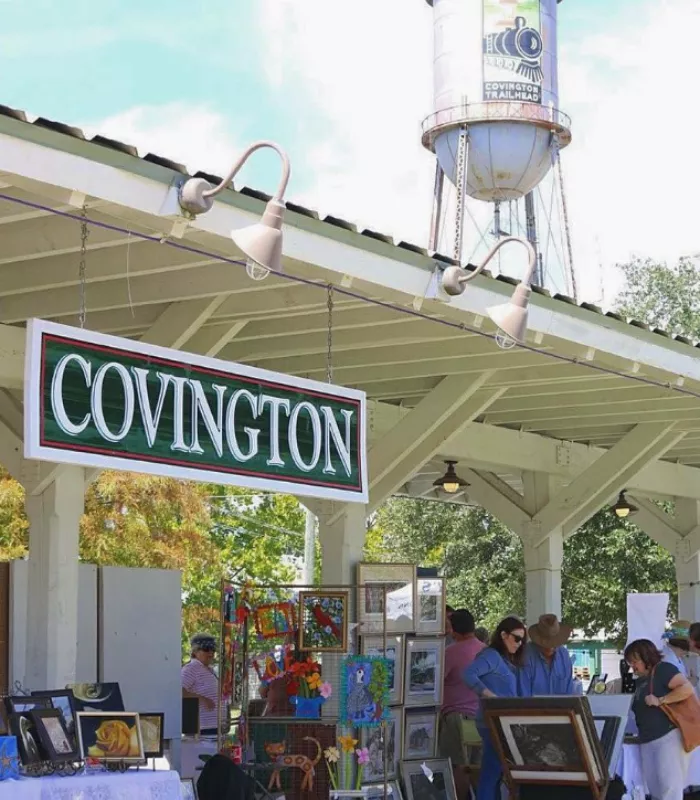
Covington sits on the Northshore, across the lake from the chaos. The downtown is a tight cluster of galleries, cafes, and boutiques that you can cover in an afternoon.
The Tammany Trace starts right here, a 31-mile trail that connects to Abita Springs and beyond. You can walk to breakfast and then walk five miles into the woods if you feel ambitious.
We used to think small towns were a compromise. Covington proves they are an upgrade. Everything is close. Everything is reachable. The car is optional.
Gateway to the Tammany Trace. The trailhead is in town, not a drive away.
7. Thibodaux, Bayou Lafourche

Thibodaux has a Walk Score of 57, which sounds modest until you walk the streets. The downtown is compact, numbered, and lined with shops that have been here for decades.
The Bayou Lafourche boardwalk runs through the heart of town. You can walk from your car to a restaurant, then to the water, then to a museum without ever feeling like you are in a strip mall.
We do not need to pretend this is New Orleans. Thibodaux is its own thing. Quiet, walkable, and content to stay that way.
Downtown Thibodaux boardwalk completed in 2022. ADA-compliant and already in use.
8. Chalmette, Residential Core
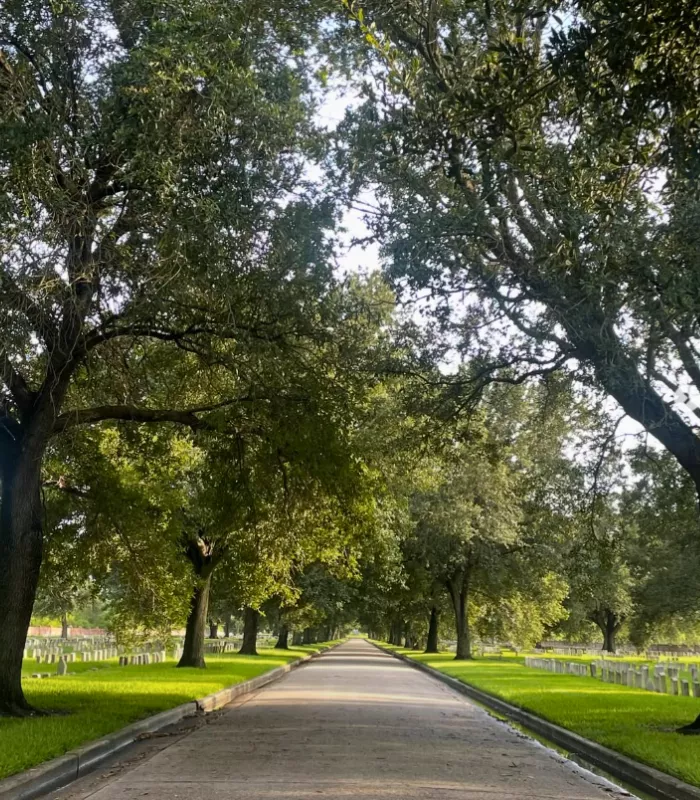
Chalmette carries a Walk Score of 82 in its most walkable pockets. That is higher than most of the suburbs we were told were the future.
The neighborhoods are grid-like, with sidewalks everywhere and parks within a few blocks. You can walk to the grocery store, the post office, and the levee trail without ever merging onto a highway.
We grew up thinking this was ordinary. Now we know it is rare. A town where the sidewalk is the default, not an afterthought.
82 out of 100 in the walkable zones. The number speaks for itself.
9. Mandeville, Lakeshore

Mandeville sits on the north shore of Lake Pontchartrain, and the downtown was designed for strolling. The streets are short, the blocks are tight, and the lake is always in view.
You can walk from the courthouse to the marina, past cafes and galleries, without ever feeling like you are in a hurry. The pace here is slow by design.
We do not need to apologize for liking a town that does not demand a car. Mandeville proves you can have modern amenities and old-fashioned walkability in the same place.
Lakeshore Drive and Main Street form a walkable loop. The lake is the anchor.
10. Slidell, Olde Towne
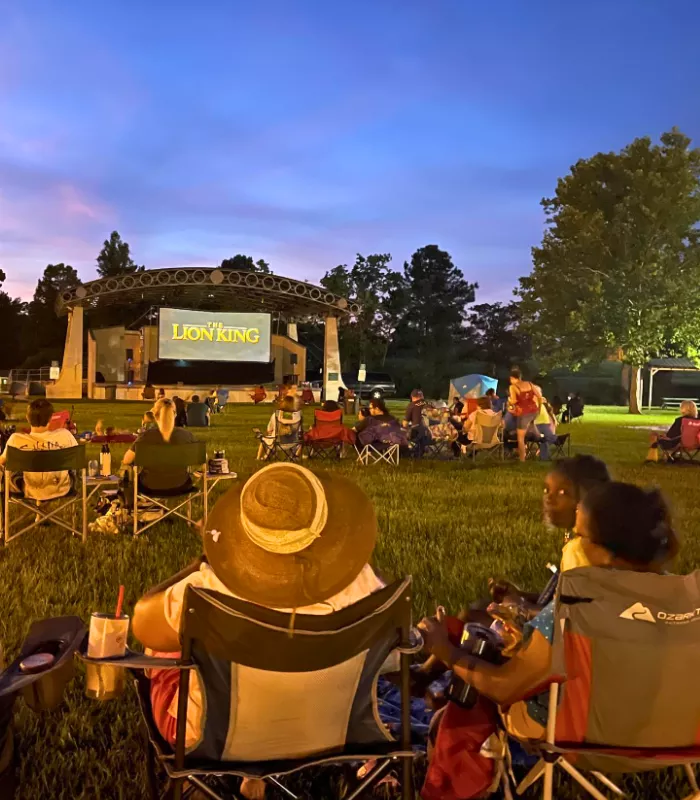
Olde Towne Slidell is the kind of district we used to take for granted. Walkable, compact, and filled with shops that have been here longer than most of us.
The main street is a straight shot of restaurants, galleries, and antique stores. You can park at one end and walk to the other without ever feeling like you are in a strip mall.
We do not need to pretend this is unique. It is just what towns used to be. Slidell kept the old map and refused to redraw it for cars.
Olde Towne is the walkable heart. The rest of Slidell is a different story.
11. Marrero, Eastbank Core

Marrero sits just across the river from New Orleans, and parts of it carry a Walk Score of 70. That is higher than most of the suburbs we were told were the future.
The grid is tight, the blocks are short, and the shops are close enough to walk to without feeling like you are on an expedition. You can get to the grocery store, the post office, and the levee trail without ever starting the car.
We grew up thinking this was ordinary. Now we know it is rare. A town where the sidewalk is the default, not an afterthought.
70 out of 100 in the walkable zones. The number speaks for itself.
12. Terrytown, Residential Grid

Terrytown has a Walk Score of 53, which sounds modest until you walk the streets. The neighborhoods are grid-like, with sidewalks everywhere and parks within a few blocks.
You can walk to Brechtel Memorial Park, the grocery store, and the library without ever feeling like you are in a strip mall. The distances are human. The pace is slow.
We do not need to pretend this is unique. It is just what towns used to be. Terrytown kept the old map and refused to redraw it for cars.
Walk Score 53. Median sale price $190,000. The data is from 2024.
13. Harvey, Westbank
Harvey carries a Walk Score of 43 on average, but some pockets hit 57. That is enough to make most errands possible on foot if you choose your block carefully.
The streets are wide, the sidewalks are there, and the shops are close enough to walk to without feeling like you are on an expedition. You can get to the grocery store, the post office, and the levee trail without ever starting the car.
We grew up thinking this was ordinary. Now we know it is rare. A town where the sidewalk is the default, not an afterthought.
57 out of 100 in the walkable zones. The rest of Harvey is a different story.
14. Opelousas, Historic Downtown

Opelousas has a Walk Score of 44, but the historic downtown is a different matter. The brick sidewalks date back to the 1830s, and the blocks are short enough to cover on foot.
You can walk from the courthouse to the museum, past antique shops and cafes, without ever feeling like you are in a hurry. The pace here is slow by design.
We do not need to apologize for liking a town that does not demand a car. Opelousas proves you can have modern amenities and old-fashioned walkability in the same place.
Brick sidewalks from the 1830s still in use. The downtown tour has 75 stops.
15. Hammond, Northshore
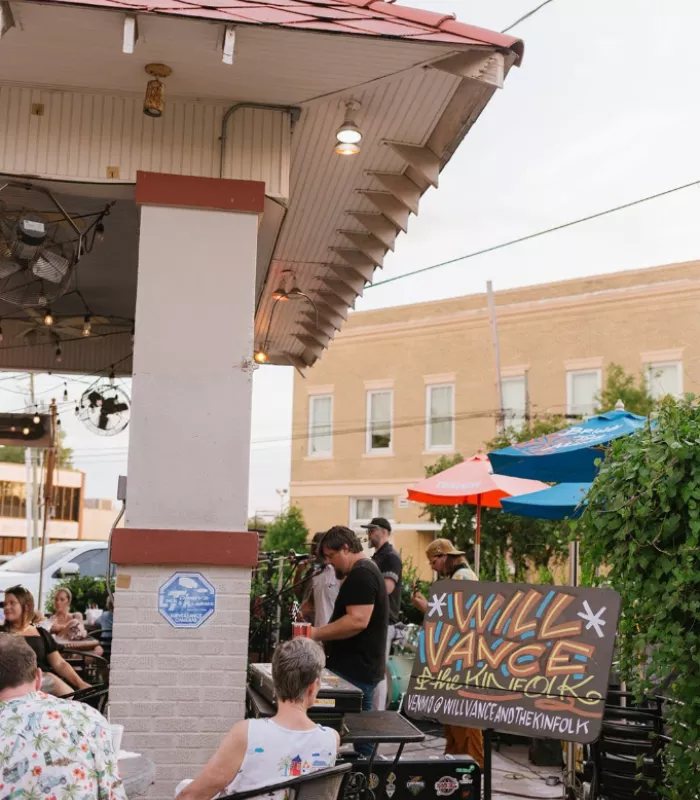
Hammond has a Walk Score of 32 on average, but some blocks hit 82. That is higher than most of the suburbs we pretend are convenient.
The downtown is a tight cluster of shops, restaurants, and offices that you can cover in an afternoon. You can park once and spend the day on foot. That is how we used to do everything.
We do not need to romanticize the past to admit this was better. The sidewalks are there. The distances are human. The cars are guests, not governors.
82 out of 100 in the walkable zones. The average is 32. The variation is the story.
16. Lafayette, Downtown Core

Lafayette has an average Walk Score of 42, but the downtown core is graded as a walker’s paradise in some spots. The streets are narrow, the blocks are short, and the shops are close.
You can walk from the courthouse to the theater, past cafes and galleries, without ever feeling like you are in a hurry. The pace here is slow by design.
We used to think small towns were a compromise. Lafayette proves they are an upgrade. Everything is close. Everything is reachable. The car is optional.
Downtown Lafayette scores 89 in some walkability indexes. The average is 42. The core is the exception.
17. Baton Rouge, Mid City

Baton Rouge has an overall Walk Score of 39, but Mid City is a different story. The streets are narrow, the blocks are short, and the shops are close enough to walk to.
Government Street runs through the heart of the neighborhood, lined with restaurants, cafes, and boutiques. You can park once and spend the day on foot. That is how we used to do everything.
We do not need to pretend this is unique. It is just what neighborhoods used to be. Mid City kept the old map and refused to redraw it for cars.
Mid City is the most walkable neighborhood in Baton Rouge. The rest of the city is a different story.
18. Kenner, Residential Core

Kenner has an average Walk Score of 46, but some blocks hit 63. That is enough to make most errands possible on foot if you choose your block carefully.
The streets are wide, the sidewalks are there, and the shops are close enough to walk to without feeling like you are on an expedition. You can get to the grocery store, the post office, and the levee trail without ever starting the car.
We grew up thinking this was ordinary. Now we know it is rare. A town where the sidewalk is the default, not an afterthought.
63 out of 100 in the walkable zones. The average is 46. The variation is the story.
19. Lake Charles, Downtown
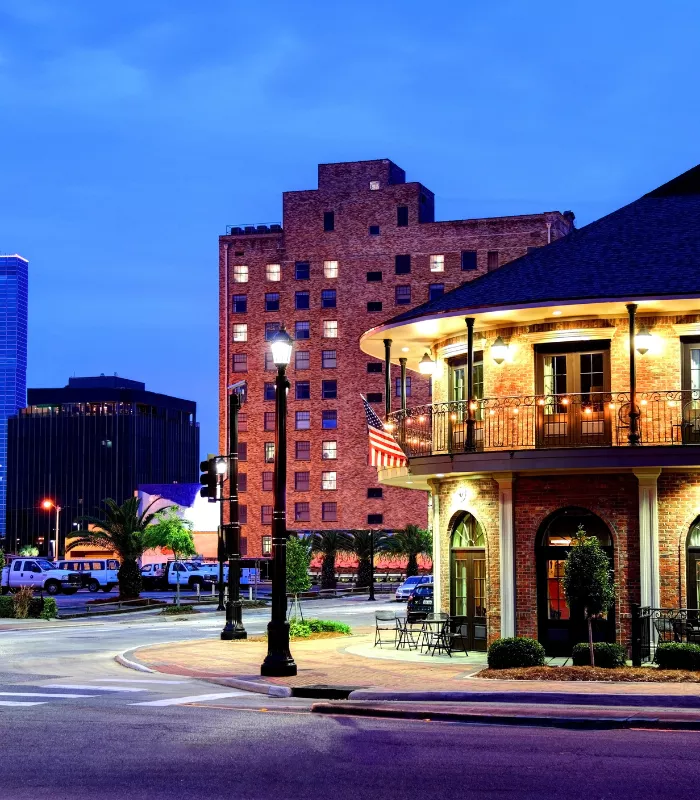
Lake Charles has a Walk Score of 37, but the downtown core is a different matter. The streets are narrow, the blocks are short, and the shops are close enough to walk to.
You can walk from the courthouse to the theater, past cafes and galleries, without ever feeling like you are in a hurry. The pace here is slow by design.
We do not need to apologize for liking a town that does not demand a car. Lake Charles proves you can have modern amenities and old-fashioned walkability in the same place.
Walk Score 37 for the city. The downtown core is the exception, not the rule.
20. Alexandria, Central Louisiana
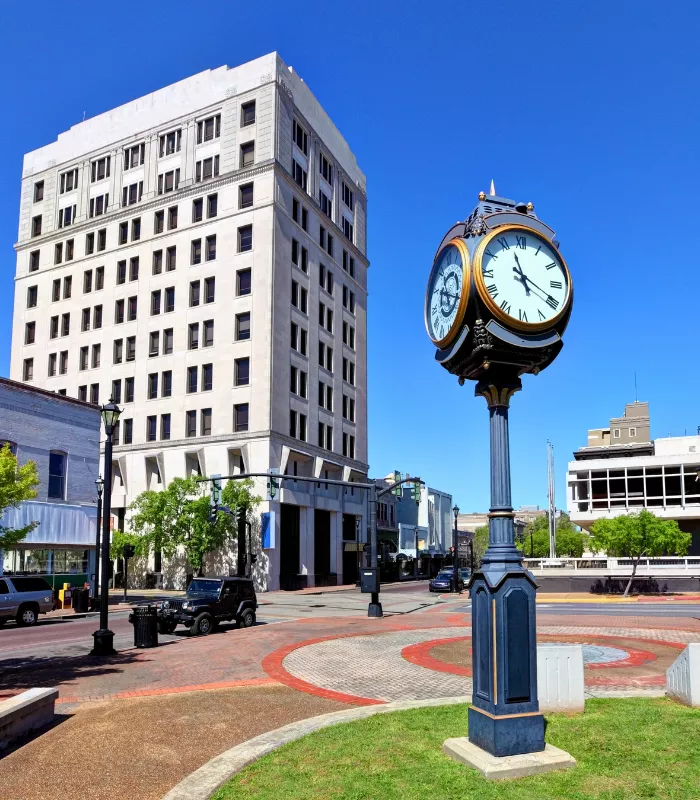
Alexandria has a Walk Score of 30, but the downtown core is a different story. The streets are narrow, the blocks are short, and the shops are close enough to walk to.
You can walk from the courthouse to the museum, past antique shops and cafes, without ever feeling like you are in a hurry. The pace here is slow by design.
We used to think small towns were a compromise. Alexandria proves they are an upgrade. Everything is close. Everything is reachable. The car is optional.
Walk Score 30 for the city. The downtown core is the exception, not the rule.