

Driving through them, not living inside them.
Emporia is the outlier with a 45 Walk Score and a downtown you can actually use.
Prairie Village built Corinth Square with pedestrians in mind, which was radical for 1950.
Liberal, Lawrence, and Manhattan have enough density to make walking sensible.
The other 15 towns on this list are walkable by Kansas standards, not national ones.
That is the bar, and it is low.
1. Emporia, The Santa Fe Trail Standout
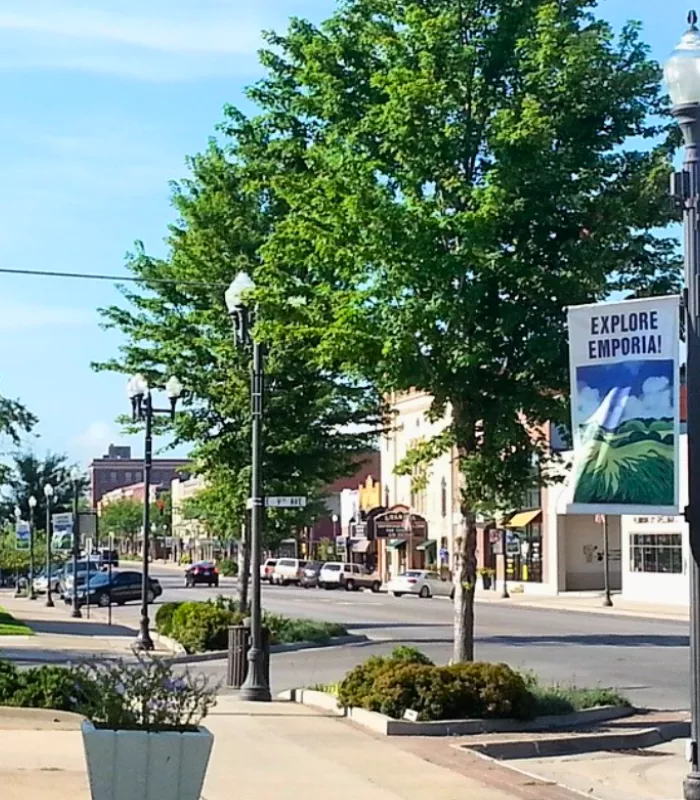
Back in 1857, this town got its start right on the Santa Fe Trail. We all remember when railroads meant something, and Emporia was a proper stop on the Atchison, Topeka, and Santa Fe line.
The Granada Theatre still stands on Commercial Street, a reminder of when downtown actually felt like a destination. William Allen White ran his famous Gazette from here, and you could walk from his house to the depot without breaking a sweat.
Walk Score gives it a 45, which does not sound like much until you realize that is the highest in the state. The historic district is compact enough that you can do the whole loop before your coffee gets cold.
Verdict: Emporia is the only Kansas town where walkability feels intentional, not accidental.
2. Prairie Village, Corinth Square Built It Right
You live near 83rd and Mission, you know the drill. Corinth Square has been the heartbeat of this place since the postwar boom, and it still works.
The Shops of Prairie Village anchor the whole operation. Burg & Barrel, Tavern in the Village, Cafe Provence, all within a few blocks if you are in the right neighborhood. Corinth Hills and Prairie Fields were laid out with this in mind.
Walk Score says 42, but the real number is how many times you can skip the car in a week. The sidewalks are wide, the trees are mature, and nobody is pretending this is a big city.
Two shifts: Then it was new construction and optimism. Now it is established streets and people who actually walk.
3. Lawrence, Massachusetts Street Still Delivers
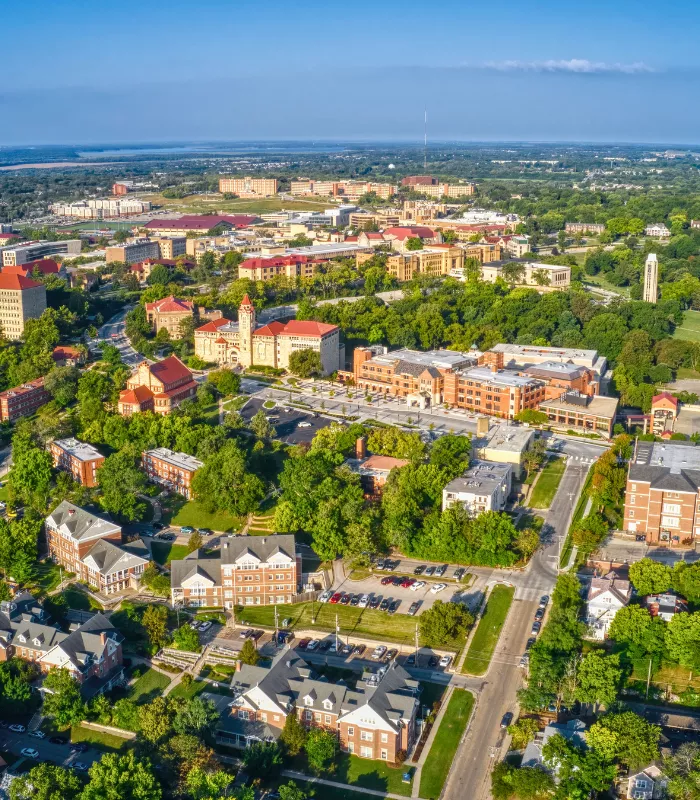
1968 was a rough year everywhere, but Massachusetts Street in Lawrence was still packed on a Saturday night. That has not changed, even if the stores have.
Old West Lawrence and East Lawrence neighborhoods put you within walking distance of South Park, the public library, and the Burcham Park Trail. The university keeps the sidewalks busy, which helps.
Walk Score of 41, and Silver designation from Walk Friendly Communities. The street is lively enough that you feel like you are somewhere, not just passing through.
Question: When was the last time you walked Massachusetts Street without a destination?
4. Liberal, More Than Just the Wizard
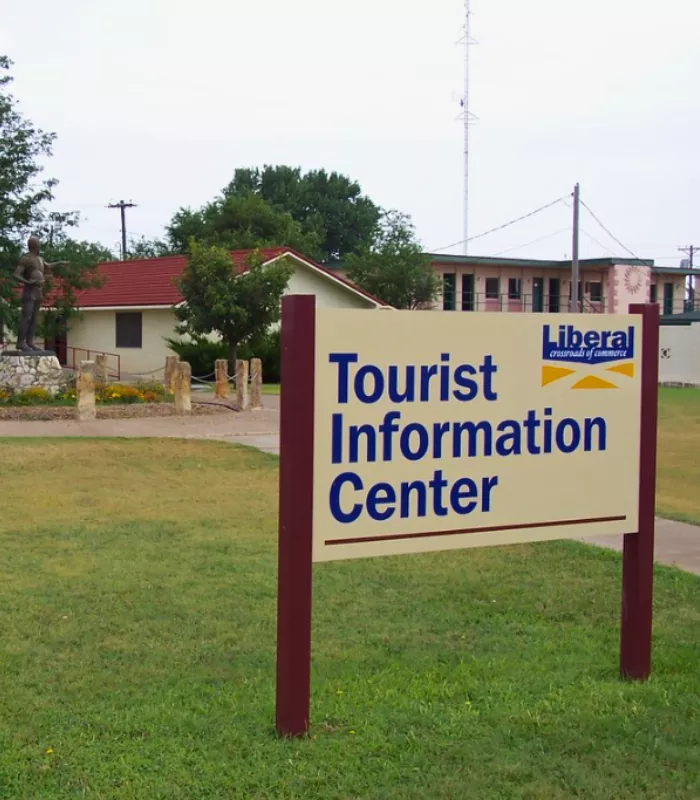
Most people think of the Wizard of Oz museum and move on. That is a mistake if you are looking for a town where you can actually run errands on foot.
The downtown area has restaurants, shops, and Blue Bonnet Park all clustered together. Liberal Memorial Library, the community college, and the main commercial strip sit within a reasonable radius.
Walk Score of 41, which is respectable for a town of about 20,000. The layout is simple, the blocks are short, and you are not dodging traffic on four-lane roads.
Stat: Walk Score 41, population 20,525, one of the smaller towns on this list.
5. Manhattan, Aggieville Does the Heavy Lifting
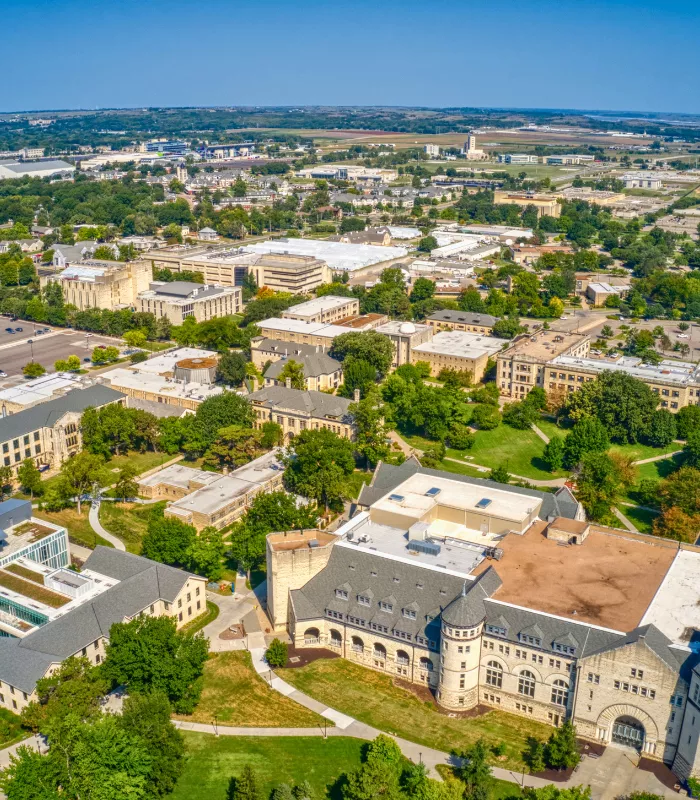
If you have ever been near Kansas State University, you know Aggieville. That district alone carries the walkability of the whole town.
City Park, the Flint Hills Discovery Center, and the Linear Trail Park are all within easy reach if you are in the right neighborhood. The campus keeps the sidewalks active, which makes a difference.
Walk Score of 39, and the student population means you are never the only one on foot. The downtown is not huge, but it is dense enough to work.
Challenge: If you still think Manhattan is just a college town, name one other place where Aggieville exists.
6. Salina, Santa Fe Avenue Has the Goods
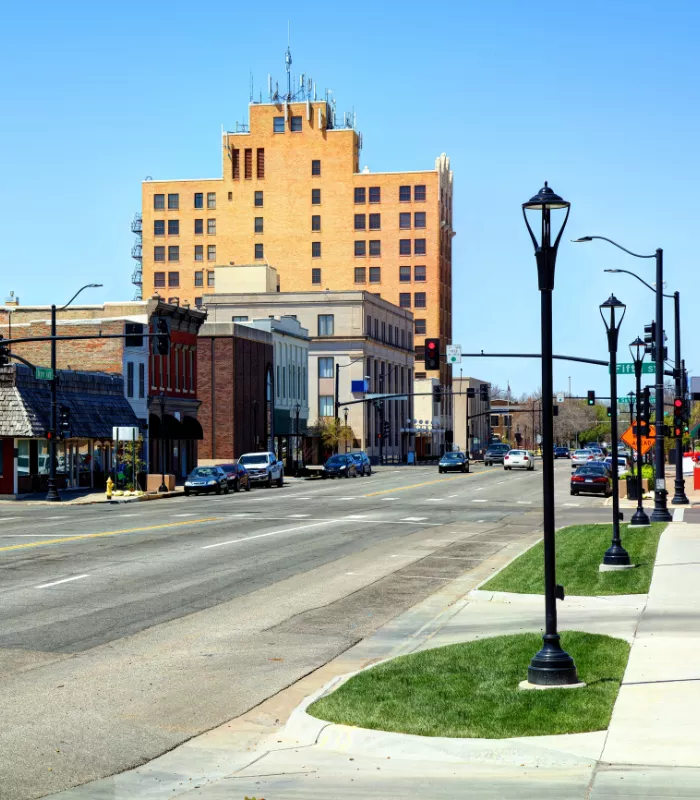
Downtown Salina has been pushing the pedestrian angle for years. Santa Fe Avenue is the spine, and the shops and restaurants line up nicely.
Indian Village and Sunset Park neighborhoods put you close to the action. The downtown district is compact, and the sidewalks are wide enough that you are not stepping off for every passerby.
Walk Score of 39, and the downtown organization actually markets it as pedestrian-friendly. The historic buildings are still in use, which is more than some towns can say.
Fact: Nearly one in five Salina residents has a disability, and downtown sidewalks are built with that in mind.
7. Hays, Wild Bill Would Have Walked It
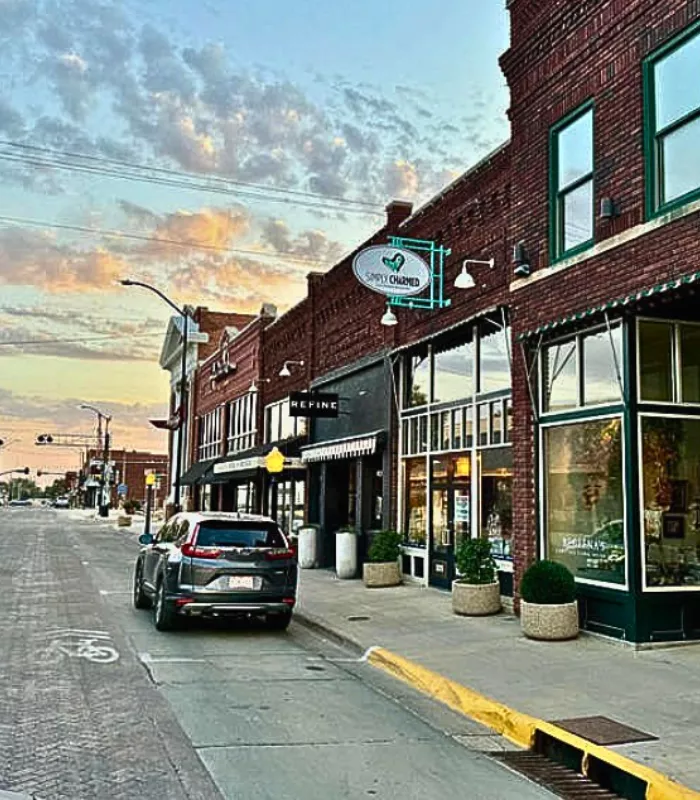
1867 is when Hays got started, and the old downtown still has the bones to prove it. Wild Bill Hickok, Buffalo Bill Cody, and Custer all walked these streets back when they were dirt.
The Historic Chestnut Street District is now Main Street, with limestone buildings and a proper arts council. The Ellis County Historical Society runs a walking tour that hits the old haunts.
Walk Score of 39, and the downtown is small enough that you can do the whole loop in under an hour. The old hitching posts are still there if you know where to look.
Correction: No, Chestnut Street does not exist anymore. It became Main Street in 1929, but the markers are still there.
8. Topeka, The Capitol Anchors the Walk
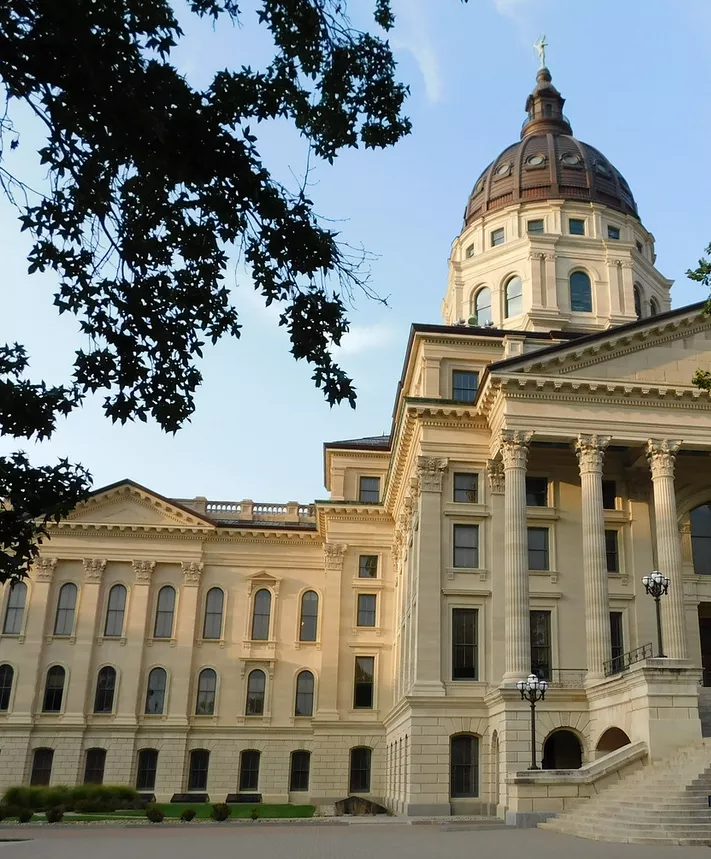
You cannot talk about Topeka without mentioning the Kansas State Capitol. It is the kind of building that makes you want to walk toward it, even if you have no reason to.
Holliday Park, College Hill, and Old Town neighborhoods put you within range of the zoo, the Shunga Trail, and the capitol grounds. The sidewalks are there, and the distances are manageable.
Walk Score of 37, and the state government presence keeps the downtown active during the week. The zoo is a proper destination, and you can walk there from several neighborhoods.
Opinion: Topeka is underrated for walking because people drive past it on I-70 without stopping.
9. Garden City, Main Street Surprises
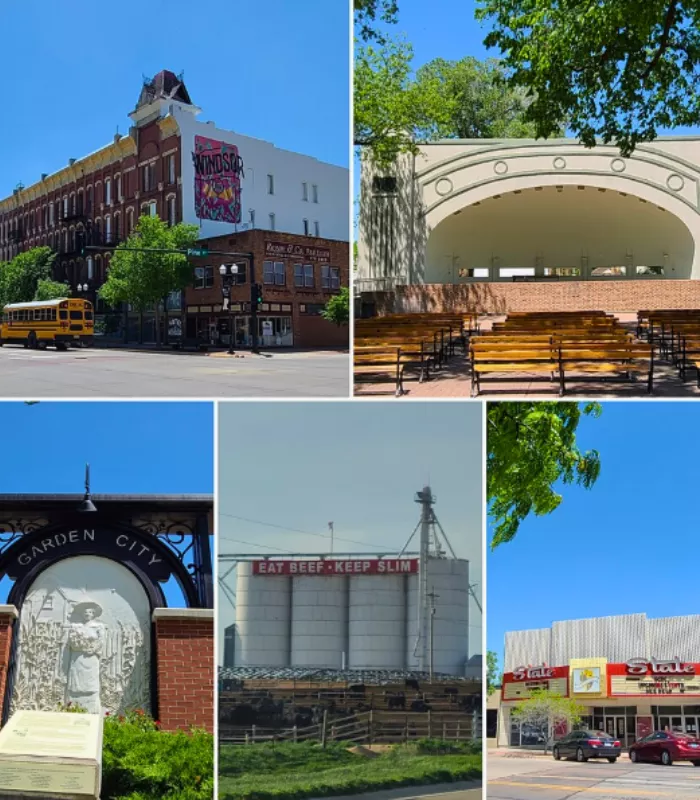
Most people think of Garden City as a highway stop. That is fair, but the Main Street corridor has more to offer than a gas station and a fast food joint.
Finnup Park, the community college, and the Finney County Historical Museum are all within walking distance of the downtown core. The Lee Richardson Zoo is a real draw, and you can walk there from the center.
Walk Score of 37, and the downtown is laid out in a way that makes sense. The blocks are short, and the sidewalks are in decent shape.
Defense: Garden City is not pretty, but it is functional. Sometimes that is enough.
10. Pittsburg, Coal Mining Roots, College Town Now
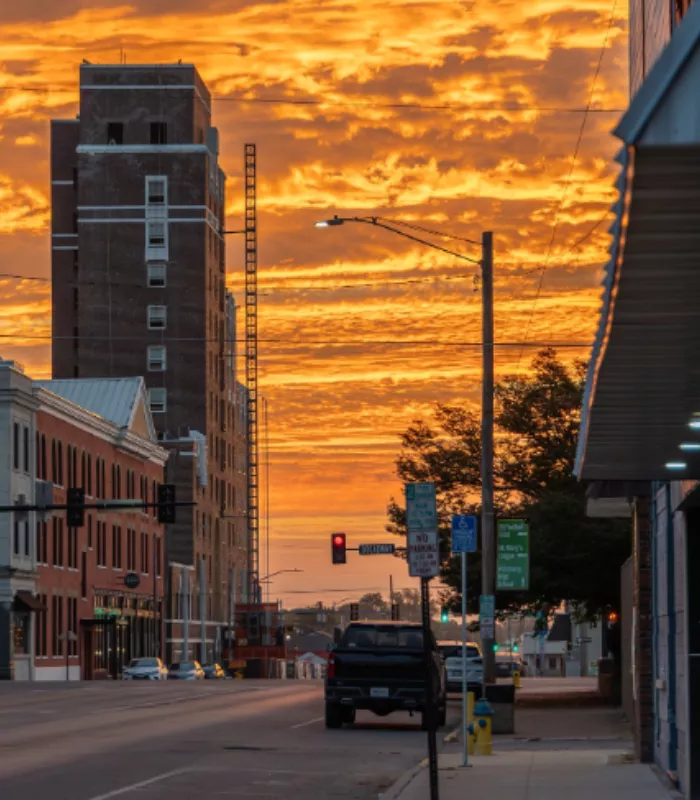
Pittsburg started as a coal mining camp, and you can still see the red brick buildings from that era in the downtown historic district. The Besse Hotel and Immigrant Park tell the story.
Pittsburg State University keeps the sidewalks busy, and the Crawford County Historical Museum is worth a stop. The downtown is not huge, but it is dense enough that you can walk from one end to the other.
Walk Score of 36, and the historic district is listed on the National Register. The coal mining heritage is still visible if you know what to look for.
One thing overlooked: The coal mining history is still there in the architecture, but most people only see the university.
11. Wichita, The Biggest City, Still Needs a Car
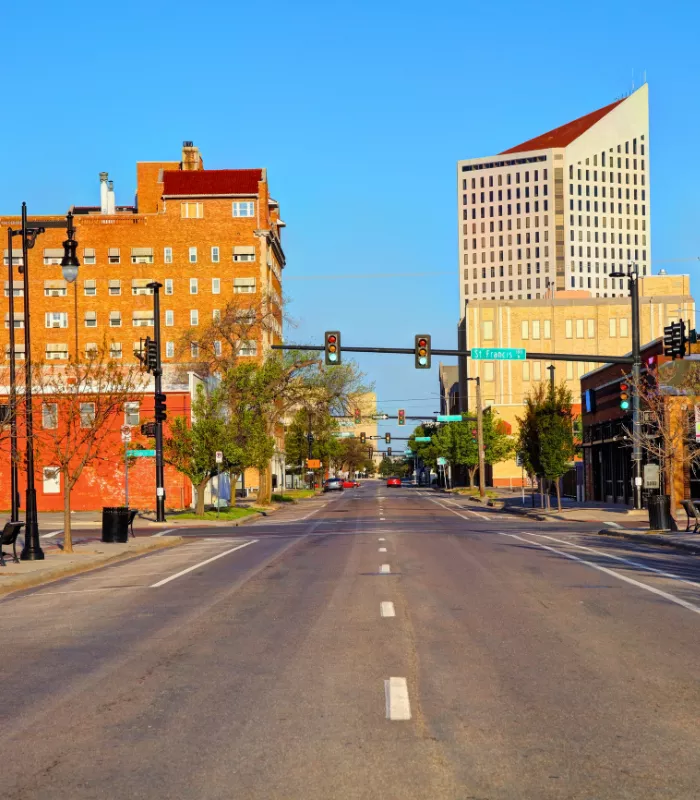
382,368 people live here, and the Walk Score is 35. That is the largest city in Kansas, and it is still car-dependent by any measure.
The Delano District and Old Town have some walkable pockets, but they are exceptions. Riverside and College Hill neighborhoods are nice, but you are driving to get groceries.
The Arkansas River Trail is a real asset, and the zoo is a proper destination. The problem is that everything is spread out, and the sidewalks do not connect the way they should.
Stat: Walk Score 35, population 382,368, the largest city on this list by a wide margin.
12. Overland Park, Suburban Sprawl With a Downtown Push
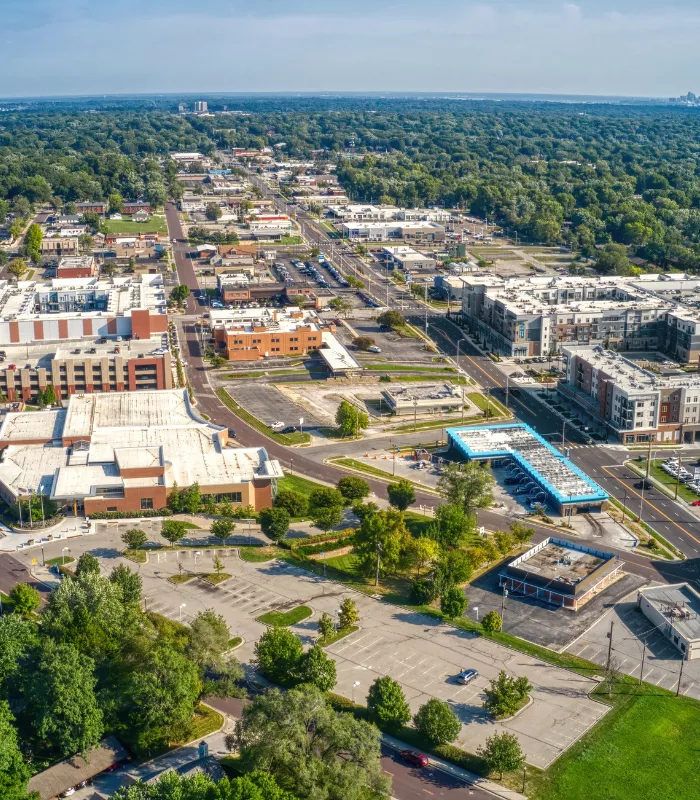
1969 is when Overland Park incorporated, and the car was king. That has not changed, even if the city is now trying to build walkable districts.
Downtown Overland Park and Prairiefire are the exceptions. The city has over 800 miles of sidewalks, but most of them lead to cul-de-sacs, not destinations.
Walk Score of 35, and the new FrameworkOP plan is trying to change that. The farmer’s market downtown is a draw, and the Metcalf Avenue corridor is getting some attention.
Correction: The 92 Walk Score you see online is for one specific address near the mall, not the city average.
13. Kansas City, The State Line Complication

You cannot talk about Kansas City without acknowledging the state line. The Kansas side has a Walk Score of 32, and the Missouri side is not much better.
Old Westport, the Crossroads, and South Plaza are the walkable neighborhoods, but most of those are on the Missouri side. The Kansas side has some pockets, but they are not the main draw.
Walk Score of 32, and the downtown loop on the Missouri side is where the action is. The Kansas side has the speedway and the zoo, but neither is walkable from most neighborhoods.
Opinion: If you want walkable in Kansas City, you live on the Missouri side. That is just how it is.
14. Hutchinson, The Cosmosphere Anchors the Town
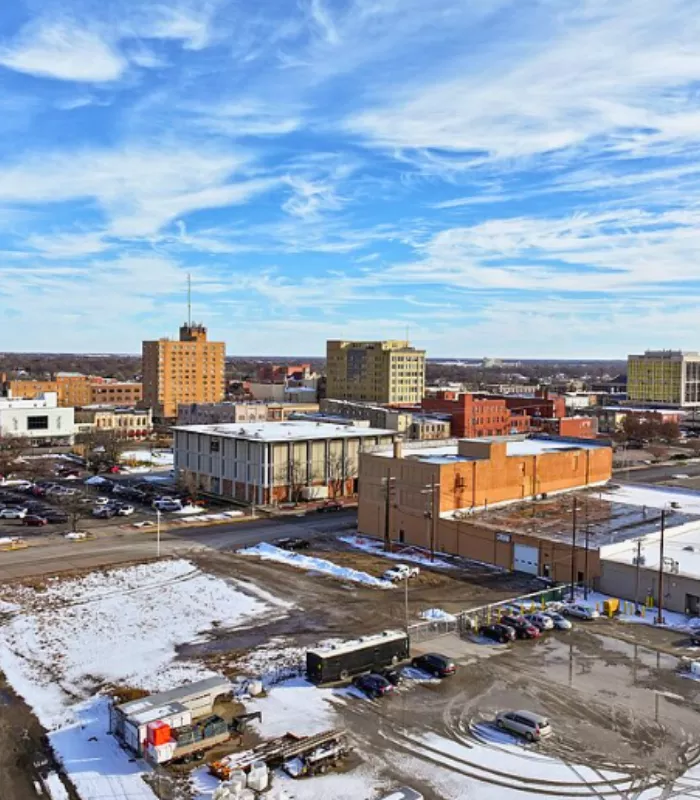
1872 is when Hutchinson got started on the Santa Fe Railroad, and the downtown still has some of that railroad town feel. The Cosmosphere is the big draw now.
The downtown district is compact, and the sidewalks are in decent shape. The Reno County Historical Museum and the Kansas State Fairgrounds are within walking distance of the center.
Walk Score of 35, and the state fair brings in crowds every September. The downtown is not huge, but it is dense enough that you can walk from one end to the other.
Two shifts: Then it was the railroad and the fair. Now it is the Cosmosphere and the same fair.
15. Leavenworth, The First City, Still Walking
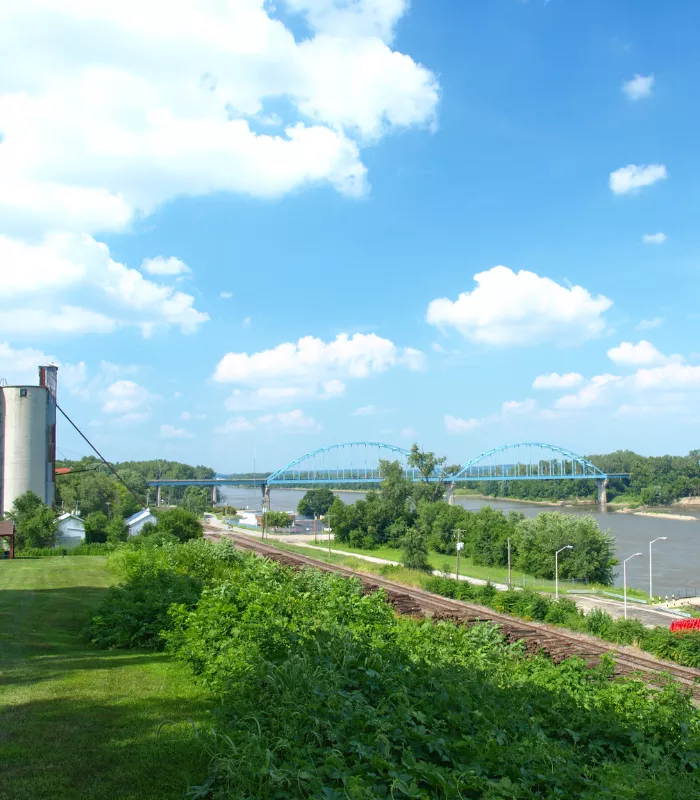
1854 is when Leavenworth was founded, making it the first city in Kansas. Fort Leavenworth and the federal prison are the big names, but the downtown is walkable.
The historic downtown has storefronts from the late 1800s, and the Missouri River trail is a real asset. Buffalo Bill Cody spent part of his youth here, and his parents are buried in Leavenworth.
Walk Score of 29, and the downtown is small enough that you can do the whole loop in under an hour. The historic district is listed on the National Register, and the buildings are still in use.
Question: When was the last time you walked the Missouri River trail in Leavenworth?
16. Olathe, Johnson County, Still Figuring It Out
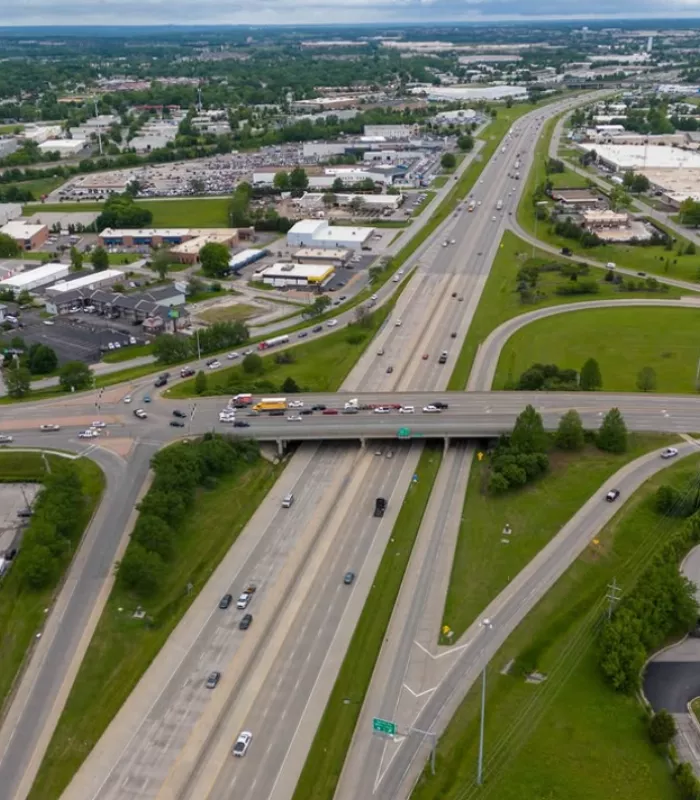
Olathe incorporated in 1857, and the downtown is trying to find its footing. The Johnson County Historical Museum is a draw, and the city is pushing the walkable angle.
The downtown district is compact, and the sidewalks are in decent shape. The Olathe Community Center and the library are within walking distance of the center.
Walk Score of 30, and the city is trying to build more walkable districts. The problem is that most of the city is suburban sprawl, and the downtown is not enough to carry the whole thing.
Challenge: If you think Olathe is walkable, name one neighborhood where you can walk to groceries without a car.
17. Newton, Chisholm Trail History, College Town Now
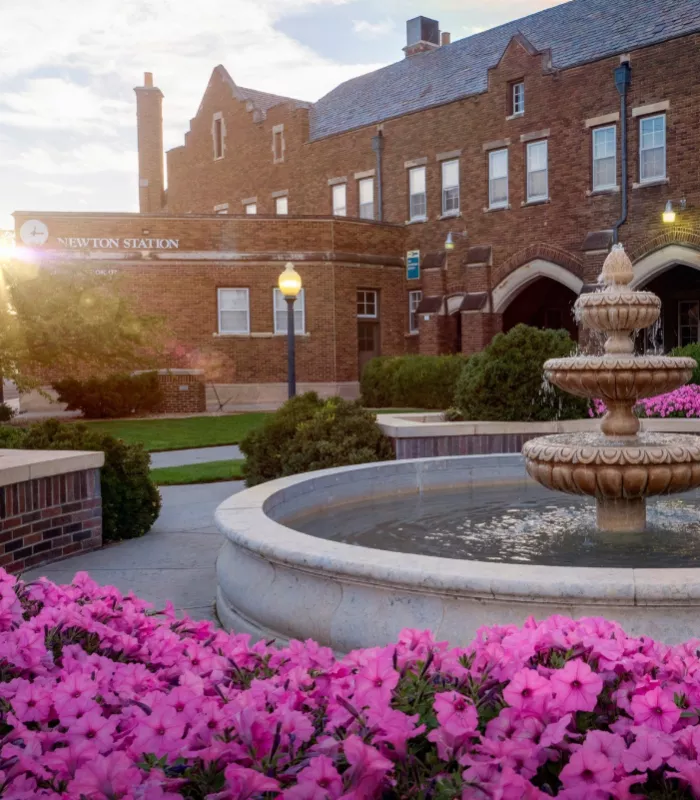
1871 is when Newton got started as a Chisholm Trail cow town, and the historic district still has some of that feel. Bethel College keeps the sidewalks busy.
The downtown district is compact, and the sidewalks are in decent shape. The Harvey County Historical Museum and the Chisholm Trail Museum are within walking distance of the center.
Walk Score of 34, and the downtown is small enough that you can do the whole loop in under an hour. The cow town history is still visible if you know what to look for.
Defense: Newton is not pretty, but it is functional. The Chisholm Trail history is real, and the college keeps it alive.
18. Dodge City, The Cowboy Capital, Still Walking
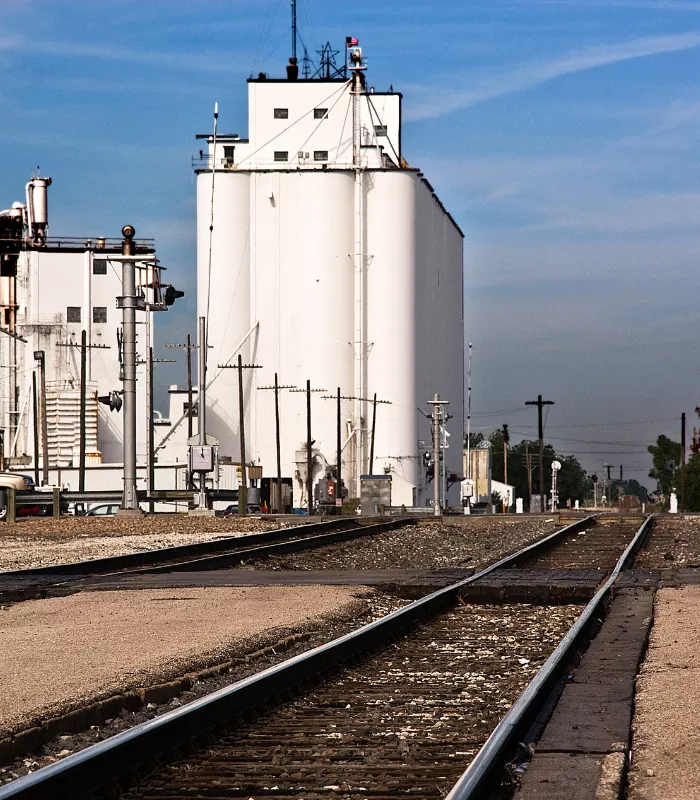
1872 is when Dodge City got started, and the Boot Hill Museum is the big draw now. The historic downtown has some of the old buildings, but most of it is themed for tourists.
The downtown district is compact, and the sidewalks are in decent shape. The Boot Hill Museum and the Kansas Cowboy Hall of Fame are within walking distance of the center.
Walk Score of 34, and the downtown is small enough that you can do the whole loop in under an hour. The cowboy history is real, even if the tourist stuff is a bit much.
One thing overlooked: The cowboy history is real, but most people only see the tourist stuff. The Boot Hill Museum is worth a stop.
19. Junction City, The Army Base Carries It
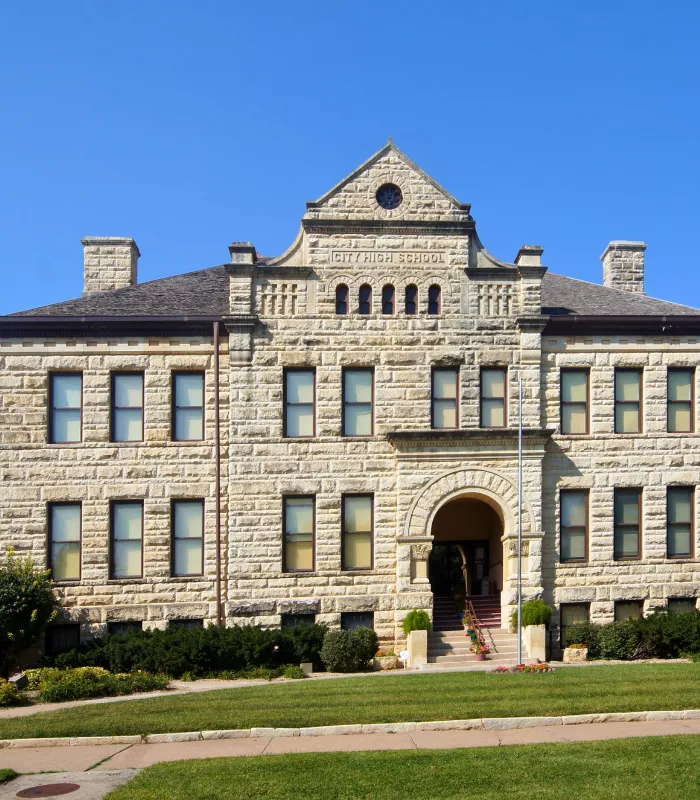
1858 is when Junction City got started, and Fort Riley is the big draw now. The downtown is small, but it is walkable if you are in the right neighborhood.
The downtown district is compact, and the sidewalks are in decent shape. The Geary County Historical Museum and the Custer House are within walking distance of the center.
Walk Score of 31, and the army base keeps the town active. The downtown is not huge, but it is dense enough that you can walk from one end to the other.
Verdict: Junction City is not pretty, but Fort Riley keeps it alive. Without the base, it would be a ghost town.
20. Derby, The Wichita Suburb, Trying to Be Its Own Thing
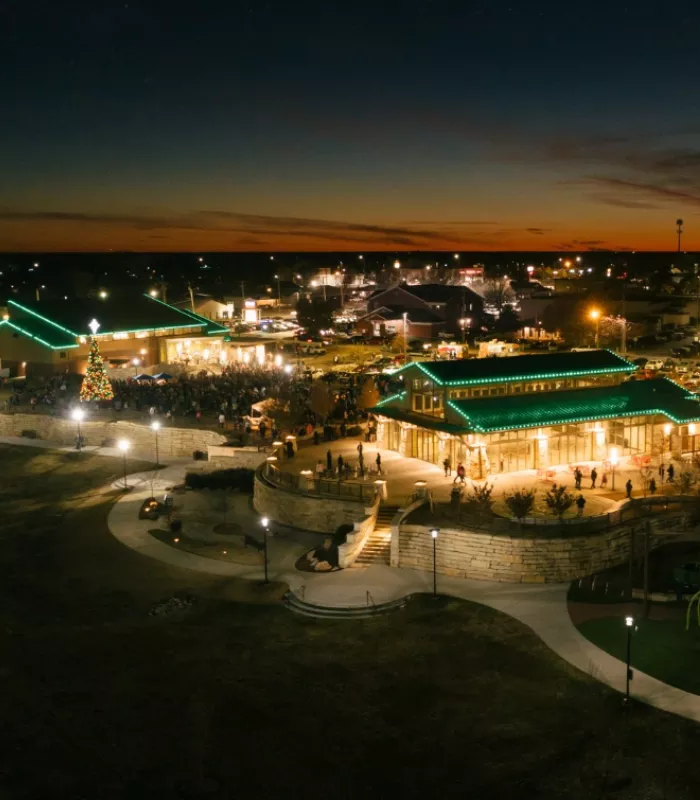
Derby incorporated in 1951, and it is still trying to find its identity. The downtown is small, but it is walkable if you are in the right neighborhood.
The downtown district is compact, and the sidewalks are in decent shape. The Derby Community Center and the library are within walking distance of the center.
Walk Score of 32, and the city is trying to build more walkable districts. The problem is that most of the city is suburban sprawl, and the downtown is not enough to carry the whole thing.
Stat: Walk Score 32, population 22,158, one of the smaller towns on this list.