

Twenty towns, one shared refusal to make you circle a parking garage three times.
That alone should earn each of them a medal nobody is handing out.
We are not talking about scenic drives here.
We are talking about places where your feet do the actual work, on purpose, by design.
Some of these streets are older than your grandmother’s good china, and they still hold up better.
1. Oak Park, Frank Lloyd Wright’s Backyard
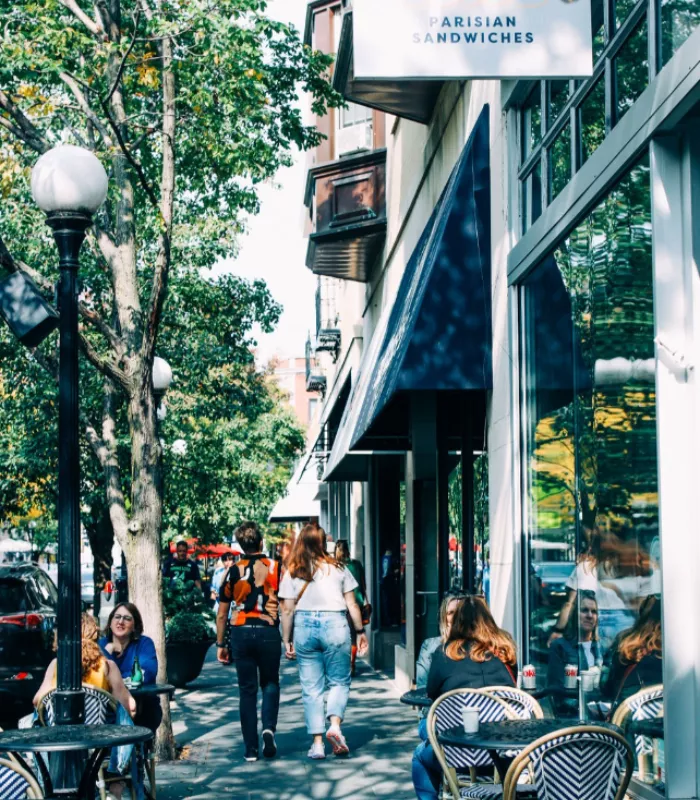
You want to know why Oak Park keeps winning these lists? Blame the architecture. This is the town where Frank Lloyd Wright cut his teeth, and you can still walk block after block of Prairie style homes without breaking a sweat.
We used to think Wright houses looked strange next to the traditional Victorians. Now the whole street reads like a museum you did not have to pay to enter.
The downtown strip near Lake Street has kept its old bones while filling in with shops that actually stay open past six. That combination is rarer than people admit.
Oak Park has more Frank Lloyd Wright designed structures than any other town in the country.
2. Evanston, The College Town That Never Needed a Car
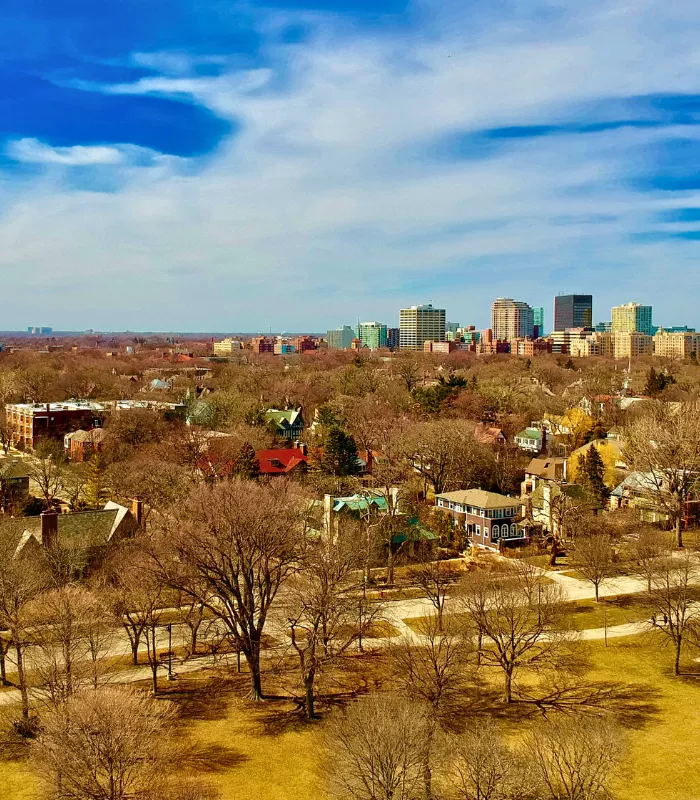
Picture Northwestern students crossing Sheridan Road on a Tuesday morning, and you are picturing most of Evanston’s daily rhythm. This town was built around footsteps long before anyone coined the term walk score.
We always said Evanston felt like a small city trapped inside a college campus, and honestly, we were not wrong.
Downtown stretches from the lakefront to the train tracks, and every block in between has something worth stopping for, whether that is a bookstore or a bench with a decent view.
Ask a longtime Evanston resident if they own a car and watch them pause before answering.
3. Naperville, Downtown Along the DuPage River
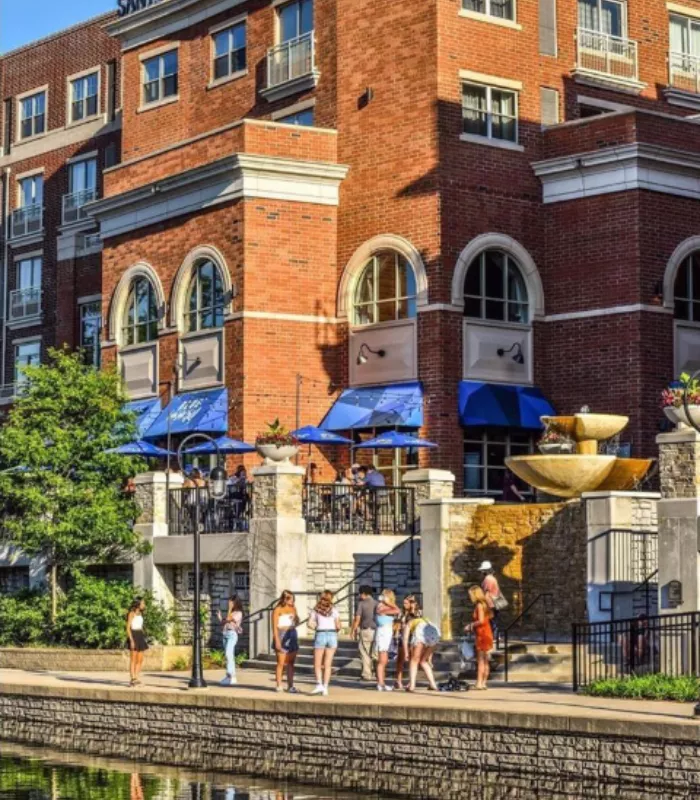
Most people got this one wrong for decades, assuming Naperville was just another sprawling suburb you needed a car to survive. The Riverwalk changed that reputation for good.
It opened back in 1981, and we watched it grow from a modest path into the heart of the whole downtown experience.
Now you can walk from the shops on Jefferson Avenue straight down to the water without crossing a single major road. That kind of planning did not happen by accident.
The DuPage River Riverwalk turned a flood control project into the town’s main attraction.
4. Geneva, The Fox River Charm We Underestimated
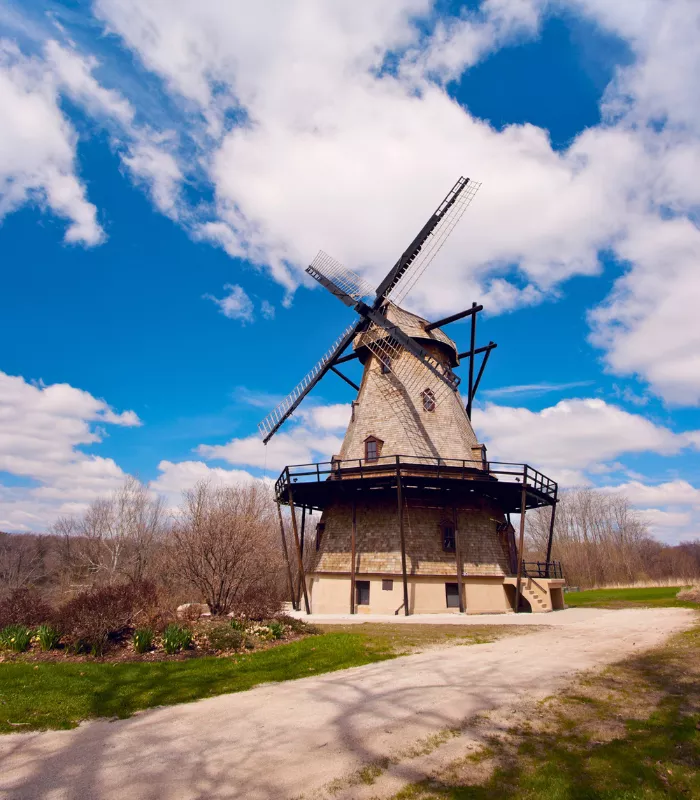
I will admit it. We used to drive right past Geneva on our way to somewhere else, thinking there was nothing worth stopping for. That was a mistake we corrected eventually.
Third Street runs along the Fox River and is lined with the kind of small shops that survived because people actually walk in front of them.
The historic homes here go back well over a century, and the town has managed to keep that character instead of paving over it for parking lots.
Geneva proves that the towns we dismissed too quickly often had the most going for them.
5. Woodstock, The Square That Looks Like a Movie Set
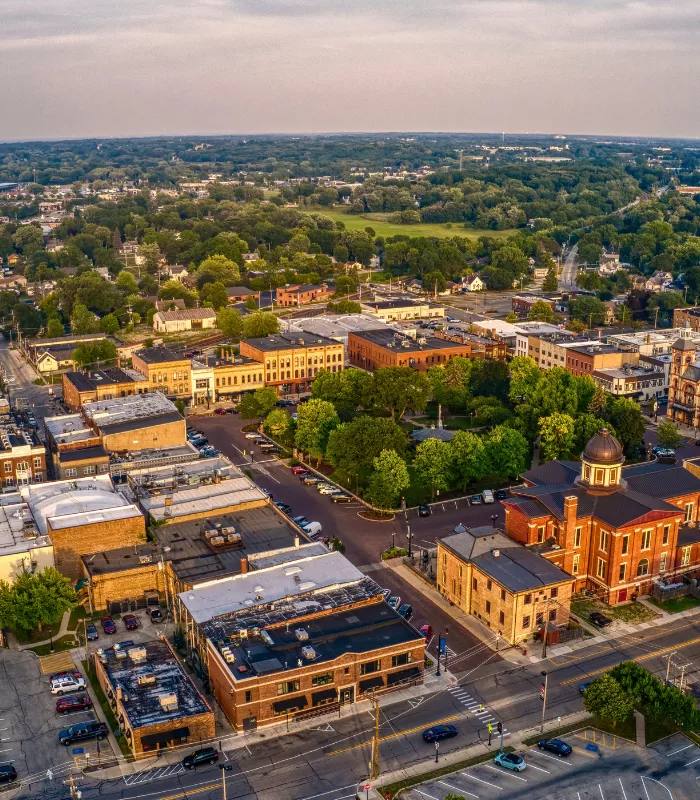
There is a reason Woodstock Square feels familiar even if you have never been there. Hollywood used it as the setting for a very famous 1993 comedy, and the town leaned into that fame happily.
The bandstand in the center of the square has hosted concerts for generations, and the shops around it are built close enough together that walking feels natural, not forced.
We loved that this town never tried too hard to be something else. It just stayed itself.
Woodstock Square has appeared on screen more times than most residents can name off the top of their head.
6. Galena, Where Every Street Slopes and Every Building Has a Story
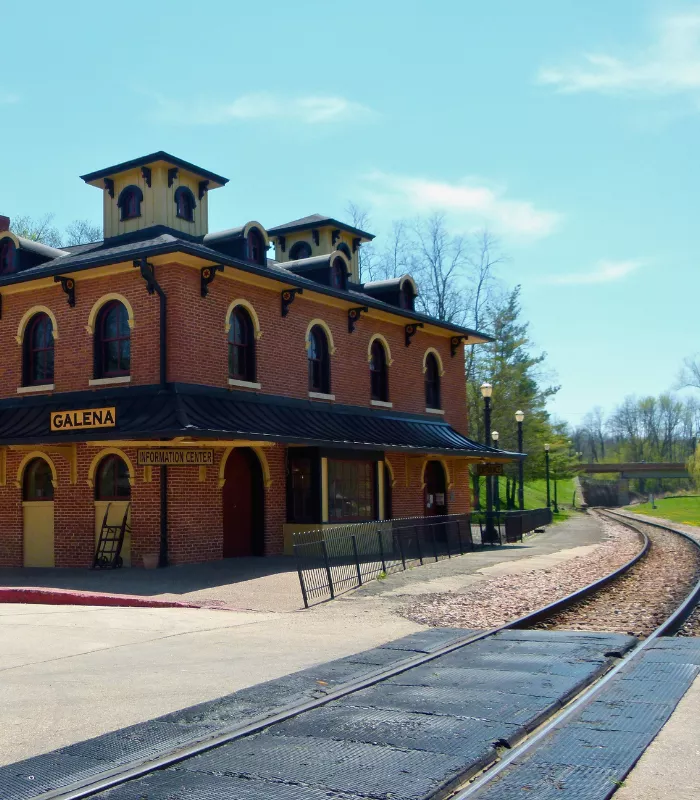
Here is a strong opinion, and I am sticking with it: Galena is the most beautiful walk in this entire state. The hills alone will remind your legs that this is not flat Illinois anymore.
Main Street runs along the old commercial district, and the buildings date back to the 1800s, back when this town was a booming lead mining hub.
We used to think small towns could not stay this preserved without turning into a tourist trap. Galena somehow avoided that fate.
Walk Galena’s Main Street once and you will understand why every guidebook mentions the hills first.
7. Glen Ellyn, The Quiet One Nobody Brags About
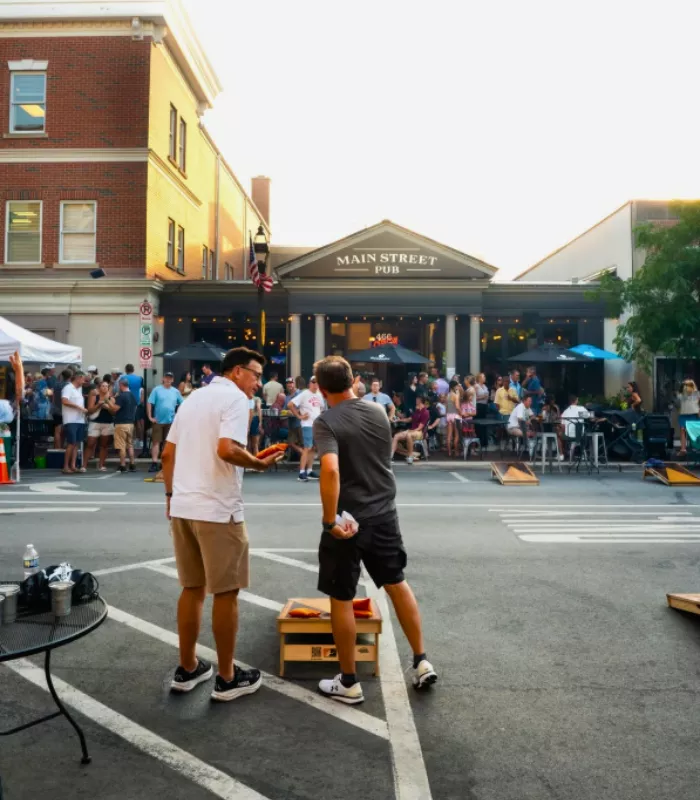
Sixty seconds. That is about how long it takes some visitors to notice Glen Ellyn does not shout about itself the way other towns do.
The downtown sits right next to the train station, which meant generations of commuters could walk straight from the platform to a diner or a shop without needing a car at all.
It was never flashy. It was just functional in a way we came to appreciate more as we got older.
Some towns earn attention by being loud. Glen Ellyn earned it by being convenient.
8. La Grange, Small Town Feel With Big Sidewalks
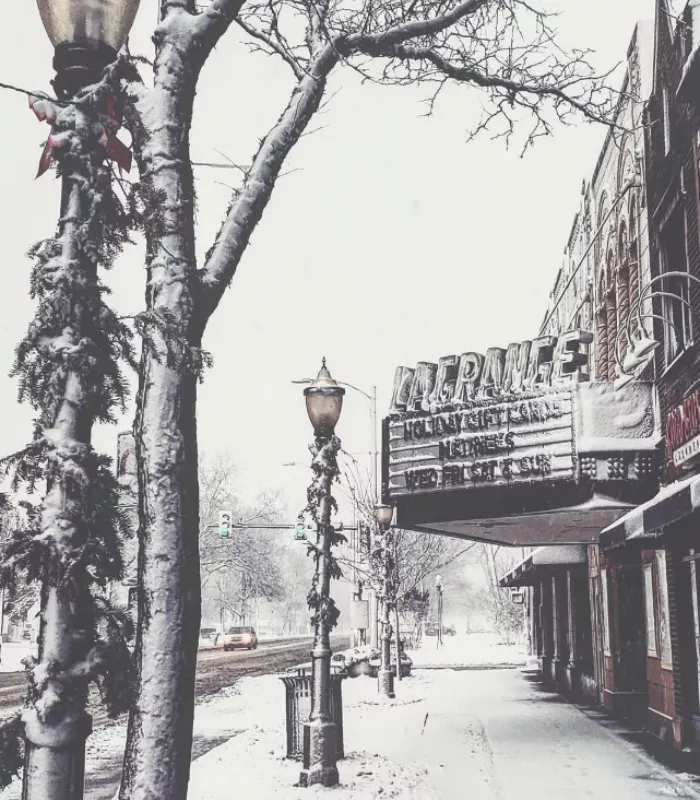
We were the generation that watched La Grange stay exactly the size it wanted to be while towns around it kept expanding. That restraint paid off for anyone who likes to walk.
La Grange Road downtown has kept its narrow storefronts and wide sidewalks, the kind built back when foot traffic actually mattered to city planners.
It is not the flashiest name on this list, but it might be the most livable one.
Would you trade a little excitement for a town you can cross entirely on foot in fifteen minutes.
9. Elmhurst, The Suburb That Kept Its Center
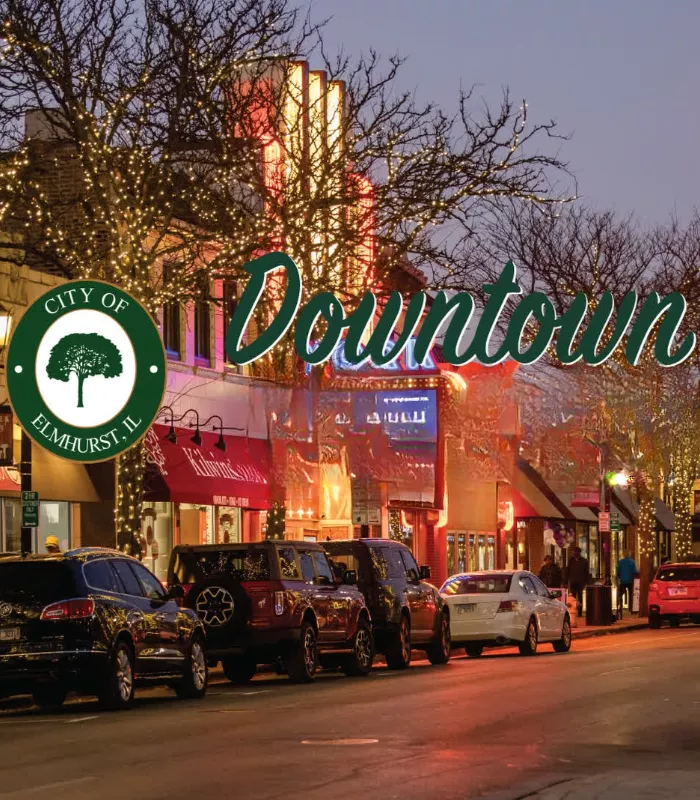
Elmhurst never had to reinvent itself, and that is not the same thing as staying stuck in the past. There is a difference, and this town understood it.
York Street downtown has held onto its old storefronts, and the town green nearby gives walkers a reason to slow down instead of just passing through.
It was not the food’s fault when other suburbs lost their downtown cores to strip malls. It was the era, and the choices made during it. Elmhurst simply made a different choice.
Elmhurst kept its center intact while plenty of neighbors traded theirs away for parking lots.
10. St. Charles, The Riverfront We Almost Overlooked
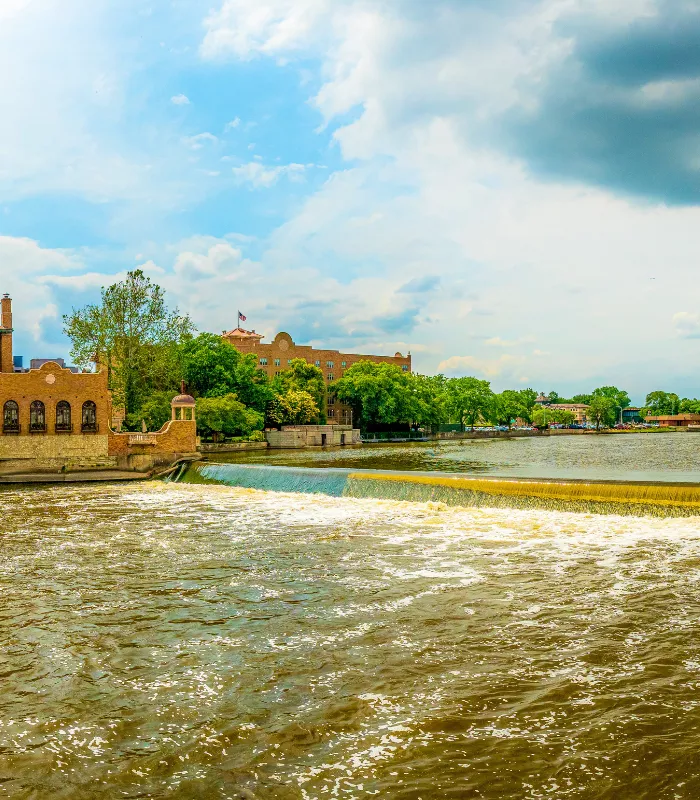
I honestly did not expect St. Charles to make this list when I started writing it. Then I remembered the Fox River Bridge and the downtown that wraps around both sides of the water.
The historic district dates back to the 1800s, and the town has kept its old buildings while adding enough new life to keep foot traffic steady year round.
This is a town that rewards a slow walk more than a quick drive through.
St. Charles was the town we almost skipped, and the one we regretted almost skipping.
11. Wheaton, The County Seat With a Walkable Core
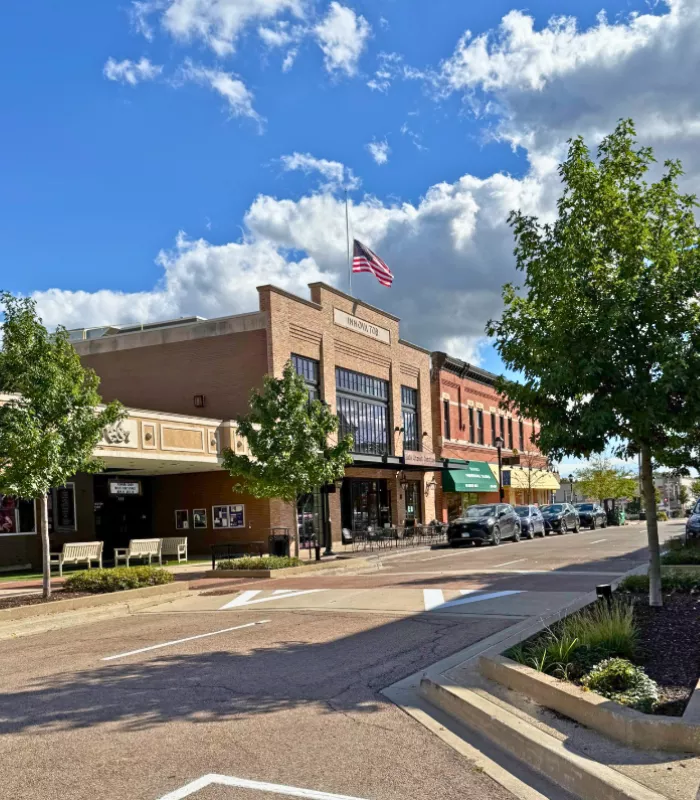
1867. That is the year Wheaton became the DuPage County seat, and the courthouse square built around that role still anchors the whole downtown today.
Front Street and Hale Street run close enough together that a courthouse visit and a coffee stop fit into the same short walk without any planning required.
We appreciated towns that grew around a purpose instead of just around a highway exit. Wheaton did the former.
A county seat downtown built for foot traffic in the 1800s still works exactly the same way today.
12. Lake Forest, Old Money and Older Sidewalks
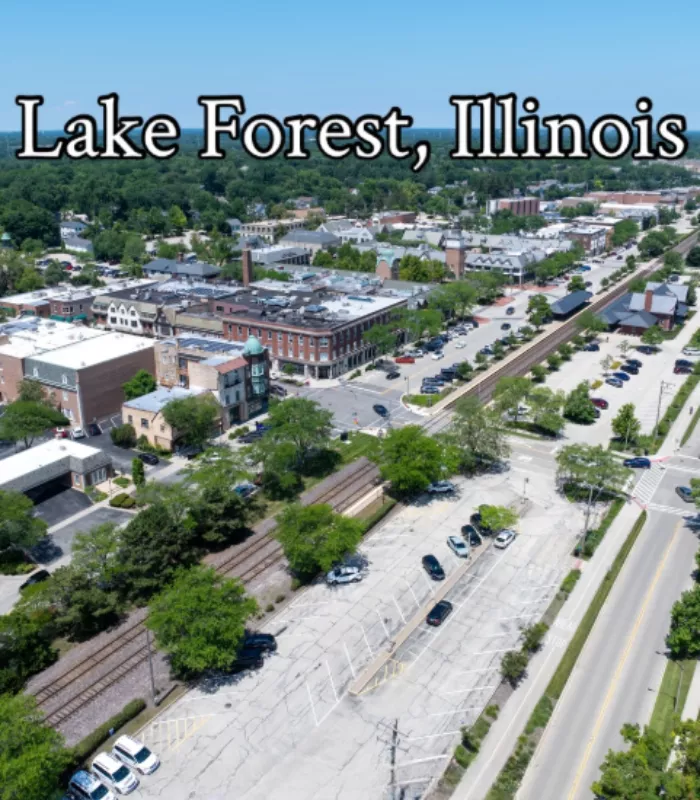
Let me be blunt about this one. Lake Forest was never trying to be accessible to everyone, and that showed in how it was built, but the downtown core itself still rewards a walker.
Market Square, completed in 1916, is widely recognized as the first planned shopping center in the country, and it was designed with pedestrians in mind from day one.
We can debate everything else about this town. The walkability was never in question.
Market Square predates the modern shopping mall by decades, and it still beats most of them on foot.
13. Highland Park, The Ravines Made It Interesting
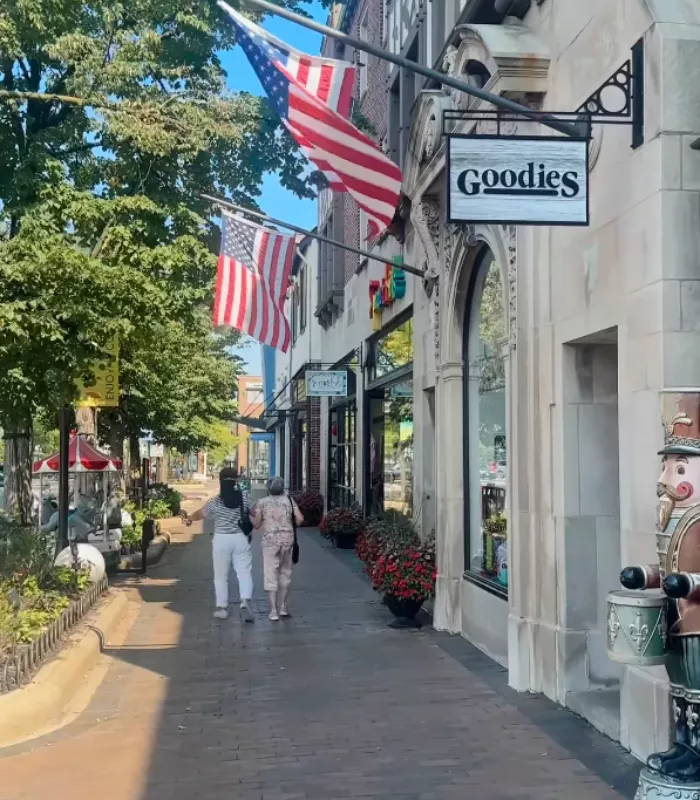
Most people got this wrong for years, assuming a hilly lakefront suburb would be tough on walkers. The ravines actually made the walk more interesting, not harder.
Central Avenue downtown sits close to the Metra station, so generations of us walked straight from the train to a shop or a diner without a second thought.
The lakefront paths add another layer that towns without water access simply cannot compete with.
A hilly walk sounds like a complaint until you realize it is the reason the town never got boring.
14. Barrington, The One Town Square That Actually Stayed Small
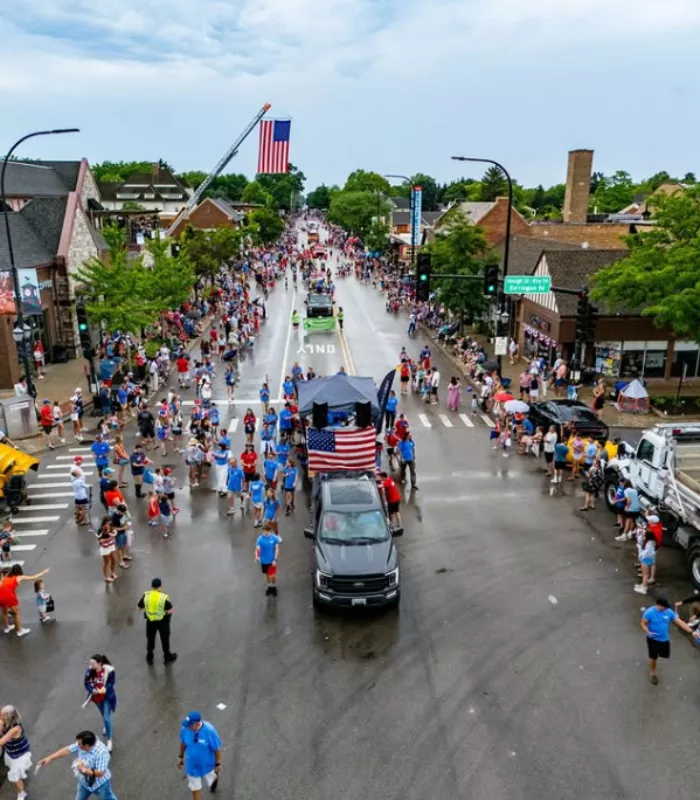
Do you remember when small meant something different than it does now? Barrington still fits that older definition, and its downtown has never sprawled past what a walker could handle.
Cook Street and the old train depot area have kept their original scale for well over a century now.
It was not trying to be the biggest name on this list. It just stayed exactly the size that worked.
Barrington never grew past what its own sidewalks could comfortably hold.
15. Hinsdale, Understated and Underrated
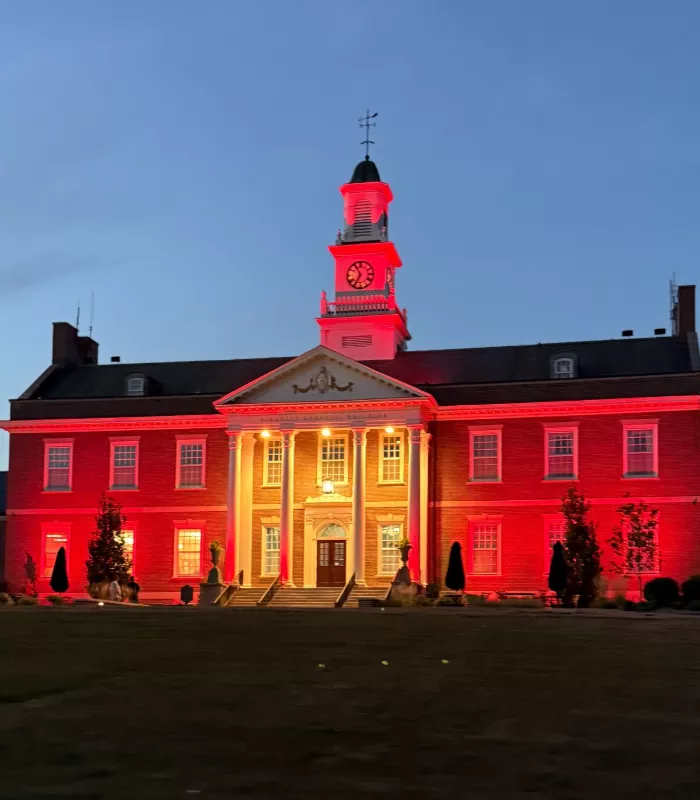
Here is a strong opinion: Hinsdale gets skipped on too many of these lists, and that is a mistake. The downtown along Washington Street has narrow blocks packed with shops that reward slow walking.
We used to breeze through Hinsdale on the way to somewhere flashier. That was our error, not the town’s.
The train station sits right at the edge of downtown, keeping the whole area connected the way older suburbs rarely manage anymore.
Hinsdale did not need the spotlight. It just needed people to actually stop the car.
16. Downers Grove, The Underdog With Good Bones
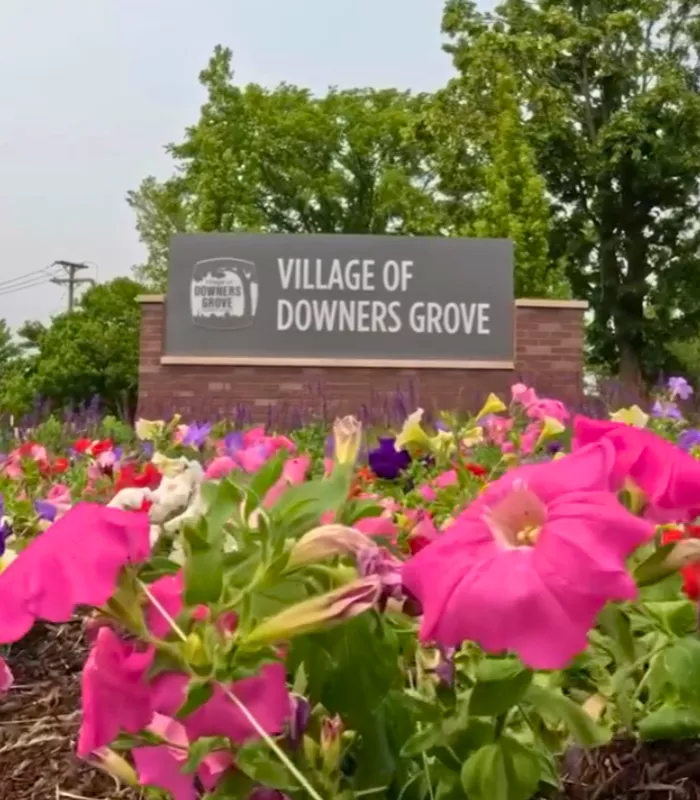
Nobody expected Downers Grove to show up on a walkability list back when we were younger. That has changed as the downtown filled back in with life.
Main Street runs alongside the train tracks, and the old storefronts have been kept up rather than knocked down for something newer and blander.
This is a town that earned its spot slowly instead of showing up overnight.
Downers Grove is proof that a downtown can come back stronger than it started.
17. Batavia, The Fox River’s Quiet Sibling
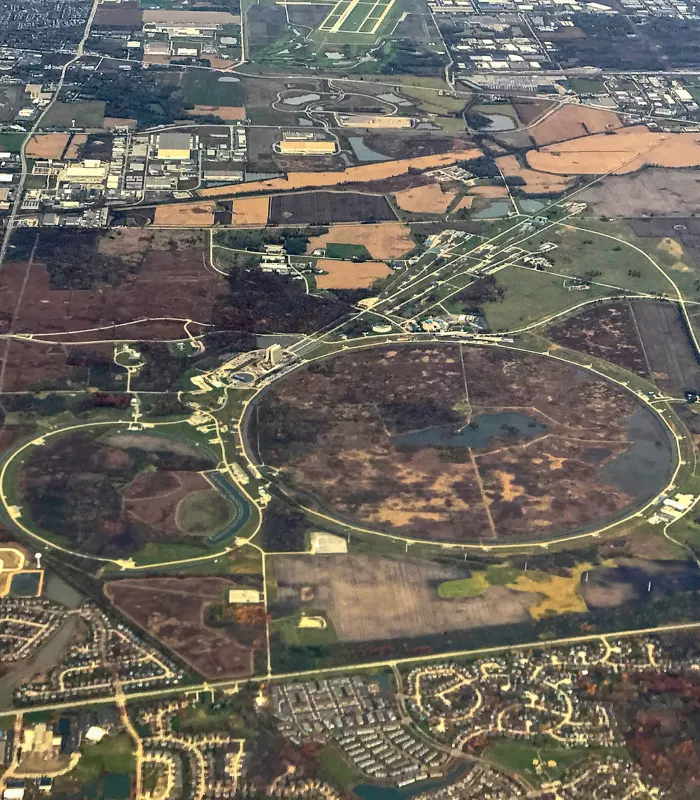
We always compared Batavia to its flashier river neighbors, and honestly, that comparison undersold it. This town has its own quiet charm along the water.
The riverwalk here connects to downtown shops without forcing anyone to cross a busy road, which is rarer than it should be.
It was not the food’s fault, or the shops’ fault, that Batavia got overlooked. It was just standing next to towns that shouted louder.
Batavia never needed to compete for attention. It just needed people to actually look.
18. Aurora, The Big City Surprise
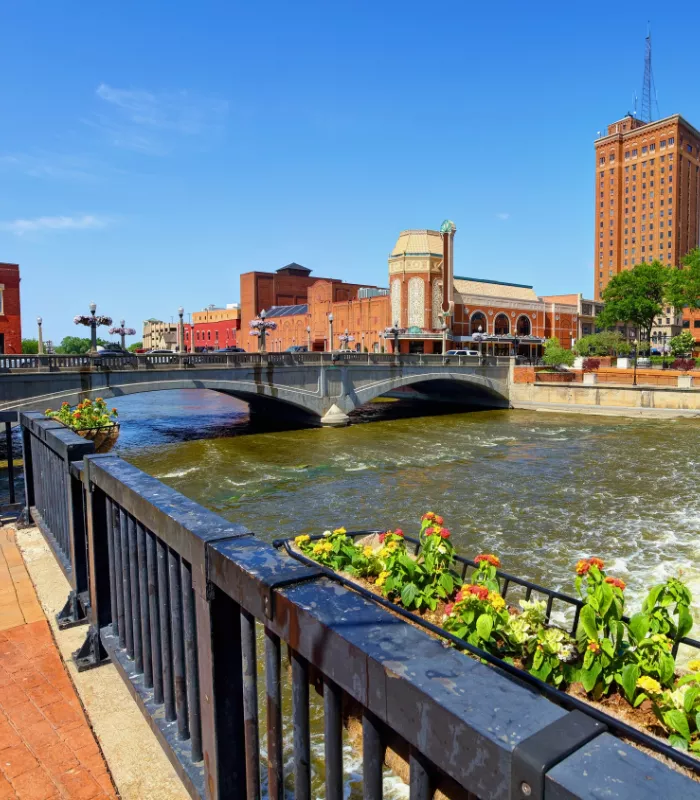
Sixty thousand more residents than most towns on this list, and yet Aurora still manages a walkable historic downtown along the Fox River.
The RiverEdge Park area ties together concert venues and shops in a way that keeps foot traffic moving well into the evening.
A city this size being genuinely walkable feels baffling until you actually walk it yourself. Then it makes complete sense.
Aurora’s size fools people into assuming it cannot be walkable. The downtown says otherwise.
19. Western Springs, The Town Time Sort of Forgot, In a Good Way
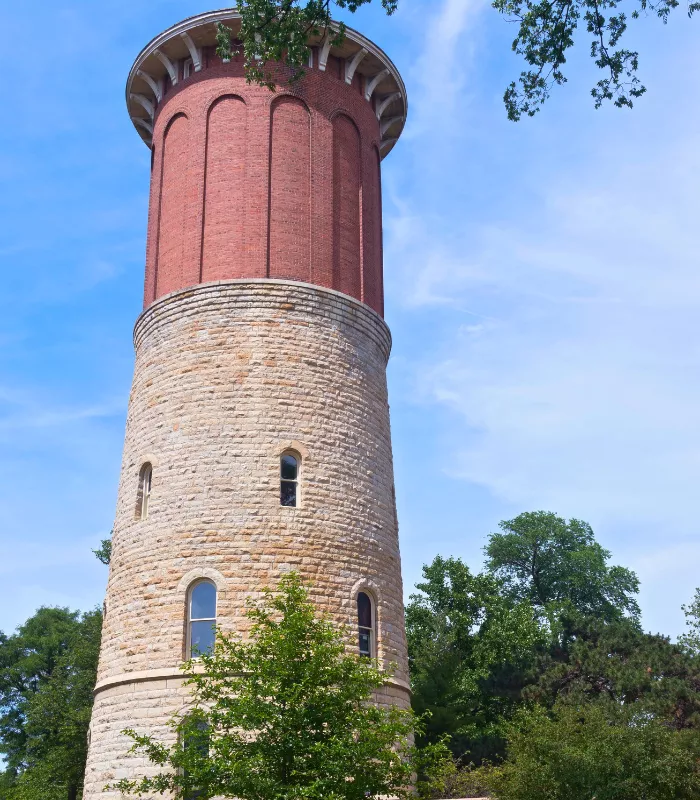
Western Springs never chased attention, and we respected that about it, even when it meant the town rarely showed up on anyone’s radar.
The small downtown near the train depot has kept its scale for generations, with shops close enough together that a walk feels effortless.
It is not a place that impresses you immediately. It grows on you the longer you walk it.
Some towns need a big first impression. Western Springs never bothered, and it worked out fine.
20. Riverside, The Original Planned Community
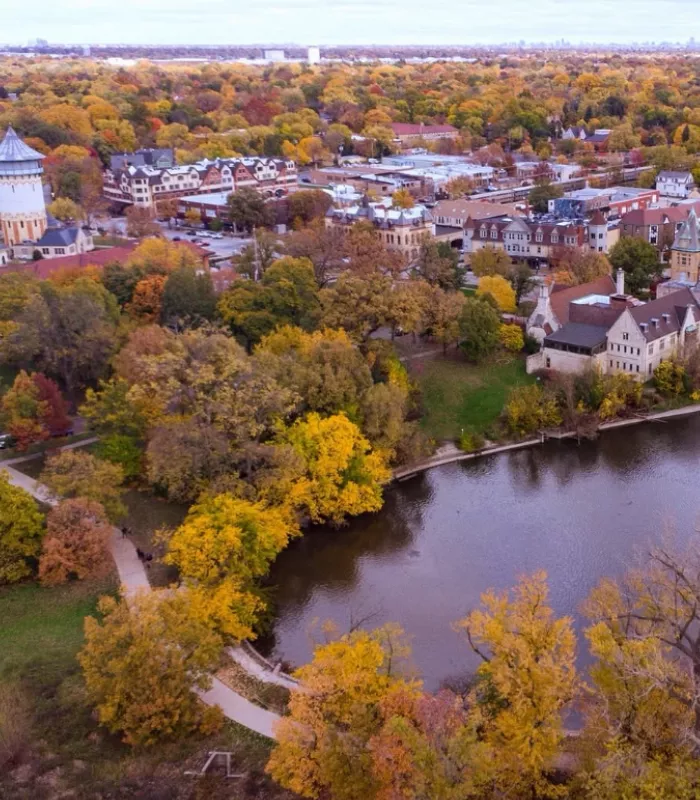
1869. That is when Riverside was designed by Frederick Law Olmsted, the same mind behind Central Park, and the winding streets still reflect that original plan today.
We debated whether curved streets actually help walkability or just look pretty on paper. In Riverside, they somehow do both.
This town closes the list because it reminds us that walkability was never a modern invention. Some places had it figured out well over a century ago.
Riverside was designed for walking before the word walkability even existed.