

Retiring by the European coast sounds like the smartest decision you will ever make. And it can be, as long as you pick the right town.
Pick the wrong one, and you will spend your golden years competing for beach space with sunburned tourists half your age.
Some coastal towns were simply not built for people who want calm mornings, affordable living, and a functioning community.
Geography is not destiny, but your choice of zip code comes pretty close.
1. Torremolinos, Spain
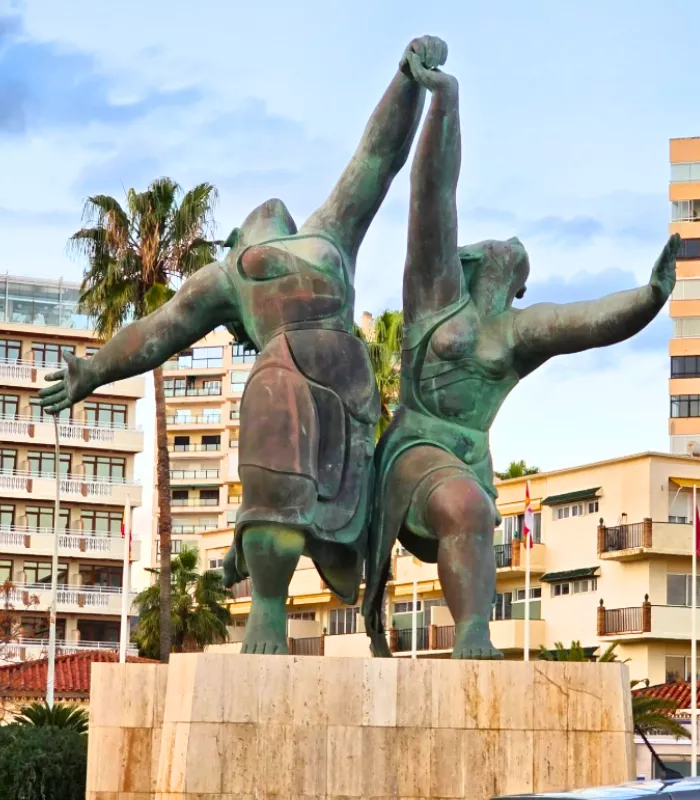
Torremolinos sounds like a dream. Warm sun, cheap tapas, and a long beach stretching along the Costa del Sol.
But here’s the catch: it is one of the most overcrowded resort towns in all of Europe.
In peak summer, the population swells by hundreds of thousands. Noise, traffic, and packed beaches become the norm from June through September.
Retiring here means sharing your paradise with millions of tourists every single year.
The main strip along the beach is lined with loud bars and fast food restaurants catering almost entirely to tourists.
Long-term residents often say the town loses its sense of community during the summer months.
Traffic congestion can make even simple errands feel exhausting during peak season.
Parking is a constant battle, and public transport gets overwhelmed quickly.
Rental prices have climbed steadily as short-term holiday rentals take over residential buildings.
The noise does not just come from the beach. Late-night venues keep things loud well past midnight.
Many expats who initially settled here have quietly moved to smaller nearby towns after a year or two.
The winter months are calmer, but the town’s infrastructure and social life are built entirely around the summer crowd.
Why It’s On This List: Torremolinos draws over 3 million tourists annually. For retirees seeking peace and quiet, that level of crowd is simply too much to handle long-term.
2. Benidorm, Spain
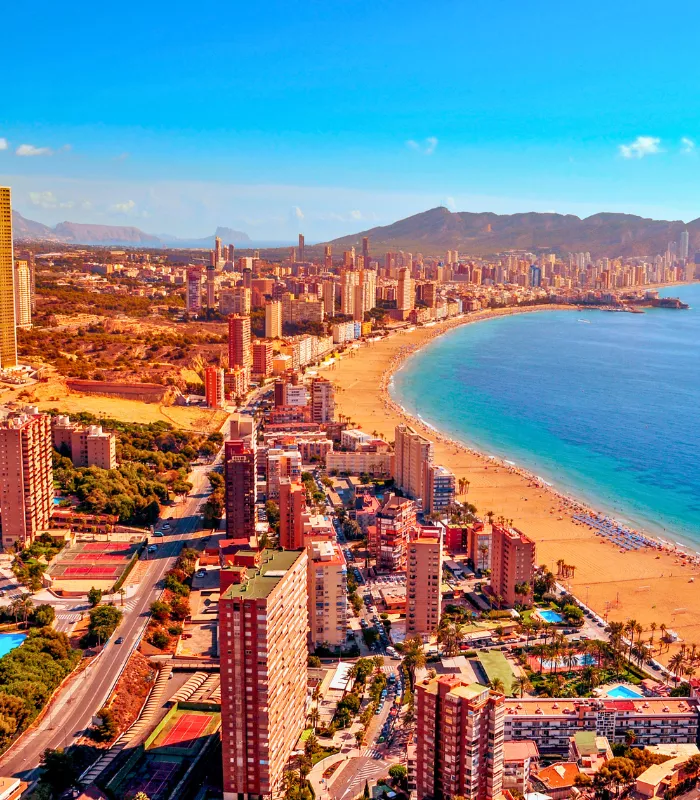
Benidorm is sometimes called the “Manhattan of the Mediterranean.” It has towering high-rise apartments that block the ocean breeze and the sunset views.
The nightlife scene is loud and runs until 4 in the morning. That is great for younger tourists. Not so great if you want a good night’s sleep.
The cost of living has also risen sharply in recent years. What used to be a budget-friendly coastal town is no longer the bargain it once was.
The skyline is dominated by concrete towers built rapidly during the tourism boom decades ago.
Green space is limited, and the urban feel can be overwhelming for those expecting a relaxed coastal village atmosphere.
The beach itself gets extremely crowded, with sunbeds packed tightly from one end to the other all summer long.
Many of the restaurants along the main strip serve tourist-oriented menus at prices that do not reflect good value.
Air and noise pollution from the constant flow of traffic and entertainment venues is a real quality-of-life concern.
Finding a quiet corner of Benidorm during July or August is genuinely difficult.
The expat community is large, but social life tends to revolve around bars and clubs rather than cultural or community activities.
Property maintenance in older high-rise buildings has been a recurring complaint among long-term residents.
The winter population drops dramatically, which can leave some areas feeling deserted and poorly serviced for several months.
Why It’s On This List: Benidorm hosts close to 10 million tourists a year. The party atmosphere is baked into its identity, making it a poor fit for retirees looking for calm coastal living.
3. Rimini, Italy
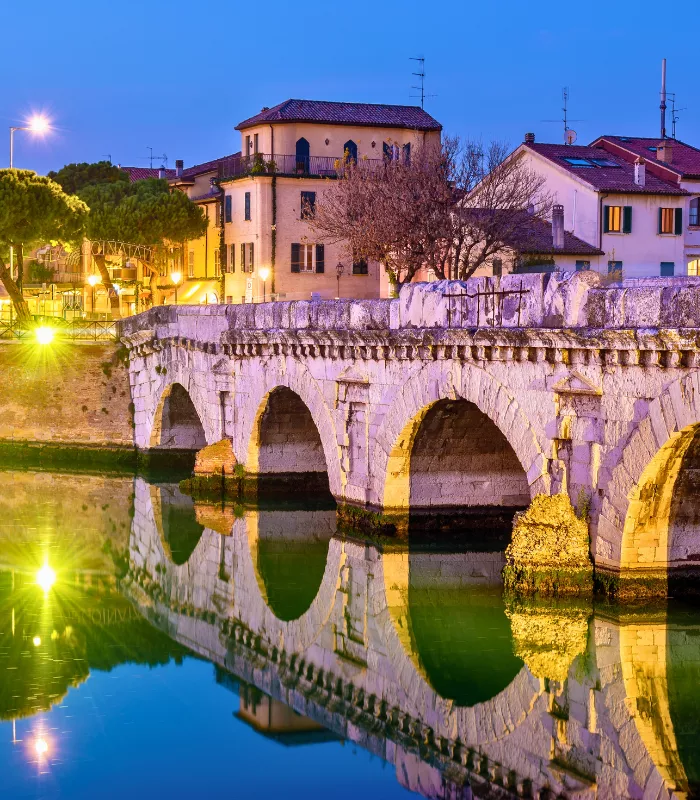
Rimini sits on the Adriatic coast of Italy. It has a long beach, good food, and a lot of history in the old town center.
But the beach area is a different story. Rows of paid beach clubs charge high fees just to access the sand. Free public beach space is very limited.
The water quality along parts of the Adriatic has also faced ongoing concerns over the years.
You are better off finding a quieter Italian coastal town where you can actually enjoy the beach without paying a daily fee.
The beach clubs operate as private businesses, meaning the best spots require a seasonal membership or daily rental fees.
During summer, the beachfront road becomes one of the most congested stretches of road in northern Italy.
The nightlife district near the beach is well known across Europe and draws large crowds of young tourists every weekend.
Locals who live year-round in Rimini often describe summer as something to simply survive rather than enjoy.
The old town has genuine charm and history, but it sits noticeably apart from the chaotic beachfront experience.
Grocery prices in tourist-facing areas are noticeably higher than in inland towns of comparable size.
Public transportation within the city can be unreliable during peak summer months when demand spikes significantly.
The gap between the cultural richness of Rimini’s historic center and the shallow commercialism of its beach strip is jarring for new residents.
Why It’s On This List: Rimini’s beachfront is almost entirely privatized. Retirees on a fixed income may find the daily beach club costs add up fast over months and years.
4. Lloret de Mar, Spain
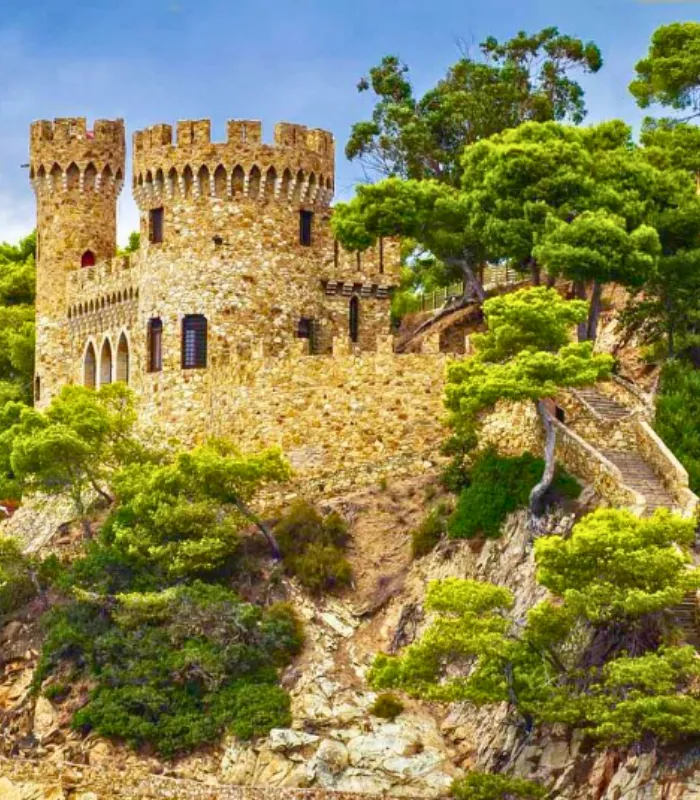
Lloret de Mar is one of the most visited towns on the Costa Brava. It has a pretty bay and a lively waterfront promenade.
The problem is its reputation. It is known across Europe as a top destination for young party tourists, especially from the UK and Germany.
Bar crawls and loud music spill into the streets most nights of the week during the summer.
That’s why many retirees who move here end up relocating within a year or two.
The town’s economy is so tied to nightlife tourism that local businesses cater almost exclusively to that crowd.
Finding a good local restaurant that is not themed around cheap drinks and loud music takes real effort.
The beach gets packed quickly in the morning during summer, and the atmosphere is rarely relaxing.
Street noise at night is a persistent complaint from residents who live near the main entertainment zones.
The local government has tried to rebrand the town over the years, but the party tourism identity is deeply entrenched.
Outside of summer, the town is quiet, but many amenities and services close down until the next tourist season begins.
Healthcare access for retirees can require traveling to larger nearby cities, which adds a layer of inconvenience.
The contrast between Lloret’s natural coastal beauty and its commercial tourism reality is one of its biggest frustrations for long-term residents.
Why It’s On This List: Lloret de Mar’s economy runs almost entirely on nightlife tourism. The town’s identity is built around a demographic that is the opposite of the peaceful retirement lifestyle most people are looking for.
5. Albufeira, Portugal
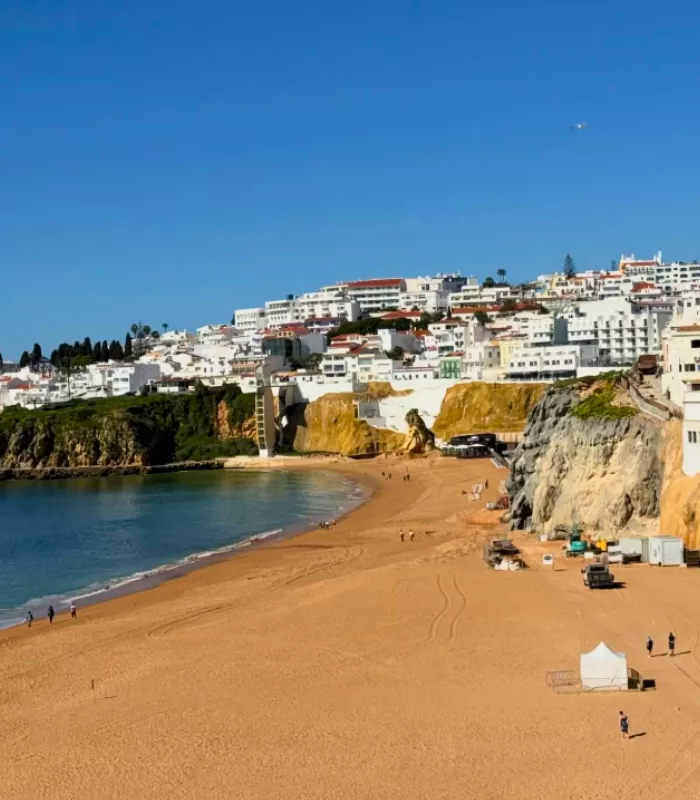
Albufeira is one of the most popular coastal towns in the Algarve. The scenery is stunning. The golden cliffs and clear water are genuinely beautiful.
But the old town has been almost completely taken over by tourist bars, souvenir shops, and clubs that stay open all night.
Property prices in Albufeira have also surged. The Algarve as a whole saw real estate prices climb more than 60% over the past several years.
The charm that once made Albufeira special has largely been replaced by commercial tourism.
The famous strip near the beach is almost unrecognizable as a Portuguese town during the summer months.
English-language menus, themed bars, and souvenir stalls dominate what was once a traditional fishing village center.
Traffic in and around Albufeira during July and August can add significant time to even short trips around town.
Rental accommodation has been heavily converted to short-term holiday lets, squeezing out long-term residents and driving up costs.
Many retirees who initially chose Albufeira for its natural beauty find that the social environment does not match what they were hoping for.
Basic services like healthcare and banking can involve long waits due to the large seasonal population surge.
The surrounding Algarve region offers far quieter and more authentic alternatives within a short drive.
Staying in Albufeira long-term requires a real tolerance for noise and crowds that many retirees simply do not have.
Why It’s On This List: Albufeira attracts over 1 million visitors during peak season. The noise levels and inflated costs make it one of the hardest Algarve towns for retirees to enjoy year-round.
6. Magaluf, Spain (Mallorca)

Magaluf is located on the island of Mallorca. It sits near some of the most beautiful scenery in the Mediterranean.
But Magaluf itself is known for something else entirely. It has been called one of Europe’s wildest party destinations for decades.
The Spanish government has even introduced laws to curb the alcohol tourism that defines this strip. That tells you a lot.
Living near Magaluf means tolerating a level of chaos that no retiree should have to deal with.
The main boulevard is lined almost wall to wall with bars, clubs, and venues targeting the under-30 tourist crowd.
Noise complaints from residents in surrounding areas are common throughout the entire summer season.
The beach itself is attractive, but getting any sense of calm there during peak months is nearly impossible.
Property values in the immediate area have been affected by the town’s long-standing reputation for rowdy tourism.
Families and older travelers who accidentally book accommodation in Magaluf frequently leave negative reviews expressing genuine shock.
Local efforts to clean up the town’s image have had limited success against decades of established party tourism branding.
The contrast with other parts of Mallorca, which are genuinely peaceful and beautiful, makes Magaluf’s situation all the more frustrating.
Retirees who want the Mallorca lifestyle have much better options just a short drive up or down the coastline.
Why It’s On This List: Magaluf’s all-inclusive party scene draws enormous crowds of young tourists each summer. Retirees living nearby often report noise complaints and a general lack of community feel.
7. Sunny Beach, Bulgaria
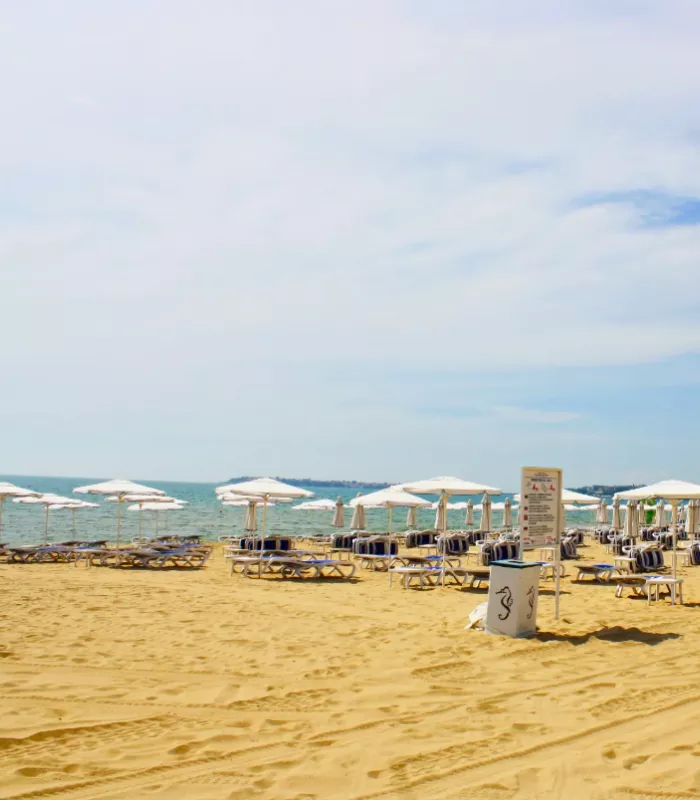
Sunny Beach is one of the Black Sea’s biggest resort towns. It was once pitched as an affordable alternative to more expensive Mediterranean destinations.
But low prices often come with trade-offs. Infrastructure issues, inconsistent water quality, and a heavy reliance on seasonal tourism are real concerns.
Outside of summer, the town can feel like a ghost town. Many shops and restaurants shut down completely from October through April.
A town that is only half-alive for six months of the year is a tough place to build a retirement life.
Road maintenance and public infrastructure in some parts of the resort area lag behind what most Western European retirees are used to.
Healthcare facilities in the immediate area are limited, with more comprehensive care requiring travel to larger cities like Burgas or Varna.
The rapid pace of construction during the tourism boom created a dense, cluttered resort landscape rather than a livable community.
Many of the apartment buildings were built quickly and cheaply, and some have faced maintenance and quality issues over time.
The off-season silence can be isolating for retirees who rely on an active local social scene throughout the year.
Foreign language support for everyday services outside of the tourist season is significantly reduced.
The cost advantage that once made Sunny Beach appealing has narrowed as prices have risen with its growing popularity.
Long-term expats in Bulgaria generally recommend looking at smaller, more authentic coastal towns along the Black Sea instead.
Why It’s On This List: Sunny Beach is almost entirely built around summer package tourism. The lack of a year-round community makes it poorly suited for anyone planning to stay long-term.
8. Kavos, Greece (Corfu)
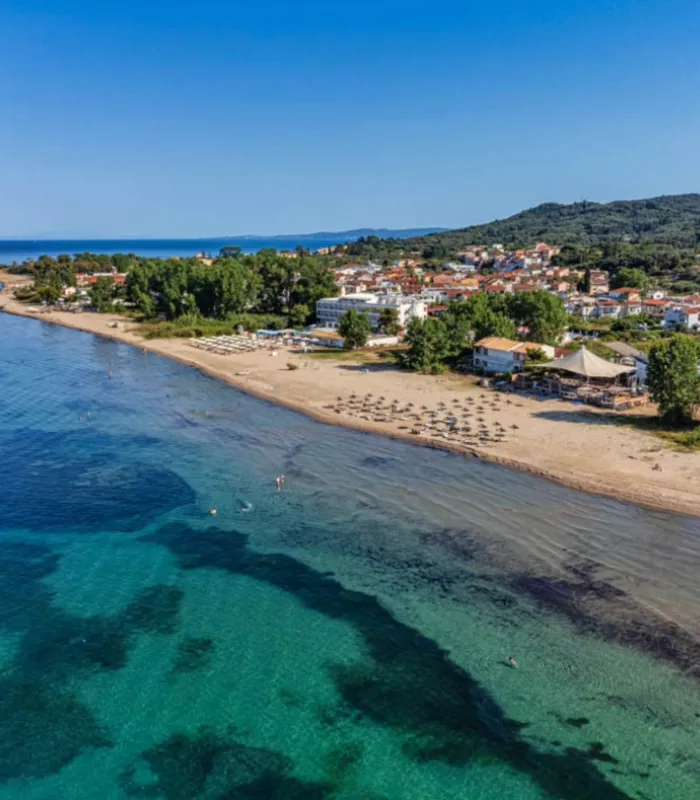
Kavos sits at the southern tip of Corfu. The setting is naturally beautiful with clear water and green hills nearby.
But Kavos has built its entire economy around cheap all-inclusive party tourism aimed at young travelers from across Europe.
The strip is lined with bars and clubs, and the scene gets very rowdy by nightfall throughout the summer months.
I made a classic mistake researching retirement spots once by focusing only on the natural beauty in photos and ignoring what the town actually feels like to live in. Kavos is a perfect example of that trap.
The permanent local population is small, and the town’s identity is almost entirely defined by its summer visitors.
Basic amenities like grocery stores, pharmacies, and medical services are limited compared to larger Corfu towns further north.
The road connecting Kavos to the rest of Corfu is long and winding, making access to services a regular inconvenience.
Outside of the party strip, there is very little in terms of cultural life, dining, or community activities for older residents.
The noise from the entertainment venues carries far beyond the immediate strip, affecting a wide radius of surrounding accommodation.
Winter in Kavos is extremely quiet, with most businesses closed and few permanent residents left in the area.
Corfu itself is a wonderful island with genuinely lovely towns to the north and center that offer a completely different experience.
Choosing Kavos over those alternatives would be a difficult decision to explain to yourself six months into retirement.
Why It’s On This List: Kavos is consistently ranked among Europe’s top party destinations for under-30 travelers. The local infrastructure and community are built entirely around that demographic, not retirees.
9. Salou, Spain
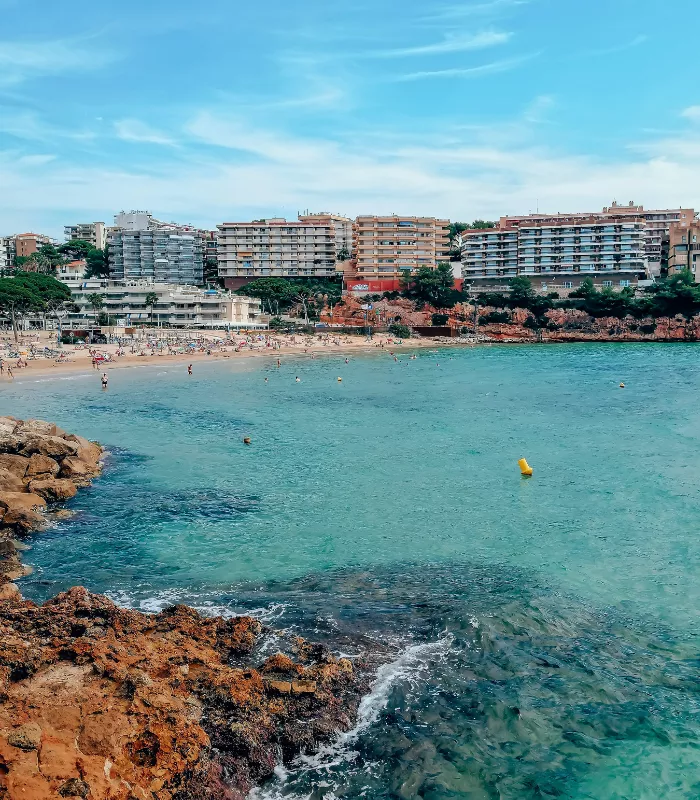
Salou is located on the Costa Daurada, south of Barcelona. It has a wide promenade, sandy beaches, and is home to PortAventura, one of Europe’s biggest theme parks.
That last point is a big reason it landed on this list. A major theme park nearby means constant family and tourist crowds, especially during school holidays.
Traffic congestion around Salou can be severe. Noise levels during peak season are high, and the town’s infrastructure is clearly built for tourism rather than permanent residents.
You are better off exploring smaller, less commercial towns along the same coastline if you want the Costa Daurada lifestyle without the crowds.
The promenade is pleasant for a walk, but it is almost always busy with tourists pulling luggage to and from nearby hotels.
Restaurant quality along the main tourist strip tends to cater to convenience rather than authentic local cuisine.
Short-term rental demand driven by theme park visitors keeps housing costs higher than in comparable towns nearby.
The family holiday crowd brings a different but equally disruptive energy compared to the party tourism towns on this list.
Crowds peak not just in summer but also during Easter, Christmas, and any school holiday period throughout the year.
Long-term residents report that the constant turnover of tourists makes it hard to build any real sense of neighborhood.
Salou’s public spaces and beaches are well maintained, but they rarely feel like they belong to the people who live there year-round.
The Costa Daurada has genuinely charming smaller towns nearby that offer the same coastline with a fraction of the tourist footprint.
Why It’s On This List: PortAventura draws over 3.5 million visitors each year. That level of foot traffic shapes the entire town’s energy, making it a challenging place for retirees who value peace and routine.