

There is a big difference between a place worth visiting and a place worth visiting from a cruise ship.
One gives you time, space, and the chance actually to absorb where you are.
The other gives you ninety minutes, a crowd of strangers, and a vendor selling refrigerator magnets.
Some of Europe’s most famous ports fall firmly into that second category.
A stunning skyline does not automatically make for a satisfying day ashore.
1. Dubrovnik, Croatia
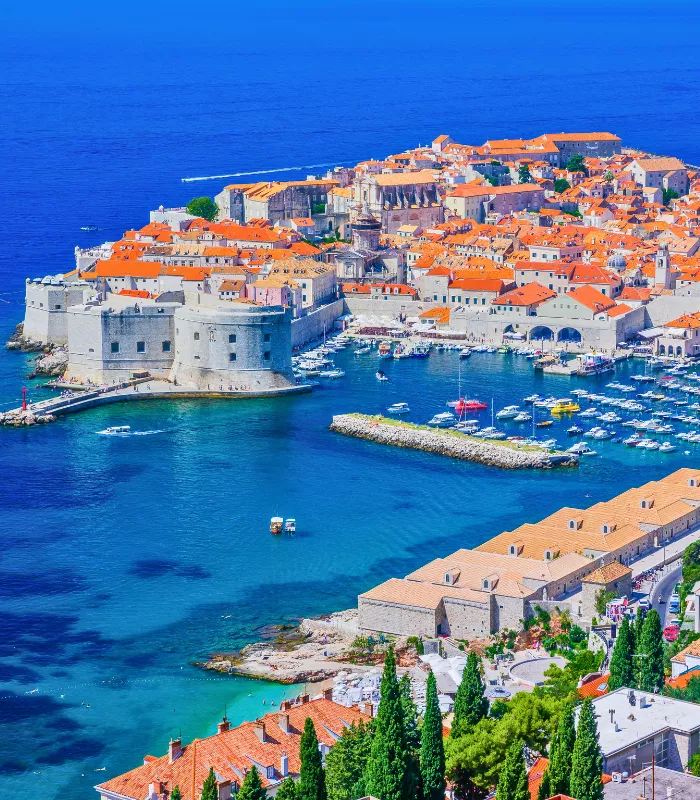
Dubrovnik looks like a dream in photos.
The old city walls, the blue Adriatic Sea, the terracotta rooftops. It is stunning.
But here’s the catch: when a cruise ship docks, thousands of passengers flood those same narrow streets all at once.
The old town is only about 1.2 square miles. It was not built for crowds of this size.
On peak days, over 10,000 cruise passengers can arrive in a single day. The city has even had to limit visitor numbers because of overtourism.
You will spend most of your time squeezing past other tourists rather than enjoying the city.
The main promenade, known as the Stradun, is beautiful but narrow.
When it is packed with cruise visitors, it feels more like a busy shopping mall than a historic street.
Most shops along the route sell the same souvenirs you will find at every other port.
Restaurants near the port tend to be overpriced and designed for quick tourist turnover.
The city walls are worth the walk, but the entry fee has risen sharply in recent years.
Many travelers over 50 find the uneven stone streets hard on the knees after a full day.
Getting a taxi or shuttle back to the port can also be stressful when thousands of people are trying to do the same thing.
The heat in summer makes the crowding even more uncomfortable.
Dubrovnik deserves more than a rushed half-day visit, and a cruise stop rarely gives you that.
Why It’s On This List: Dubrovnik is one of the most overcrowded cruise stops in all of Europe. The beauty is real, but the experience on a cruise day visit is often frustrating and rushed.
2. Mykonos, Greece
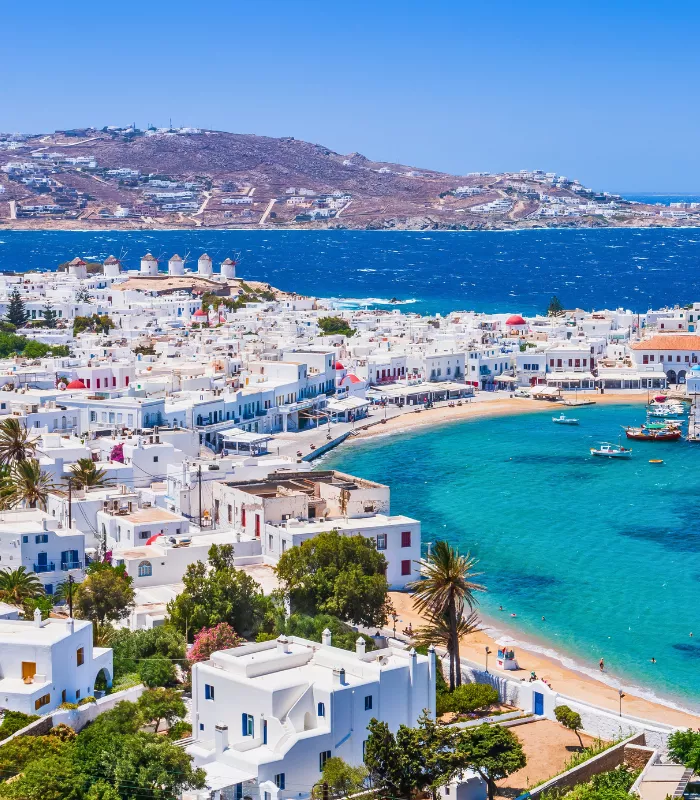
Mykonos has a reputation for being glamorous and fun.
And it can be. But it comes at a steep price.
This island is one of the most expensive destinations in the Mediterranean. A simple lunch for two can easily cost $80 or more.
The famous windmills and whitewashed alleys are lovely. But they are also packed with people taking the exact same photo.
The reality is this: Mykonos is built more for long-stay luxury travelers than for cruise day-trippers on a budget.
You’re better off saving your energy for a Greek island with more character and fewer crowds.
The port area is lined with designer boutiques that most cruise travelers have no intention of shopping in.
Beaches are a taxi ride away, which eats into your already limited time ashore.
Water taxis to the popular beaches fill up fast and add another unexpected cost to your day.
The famous party atmosphere that Mykonos is known for does not really get started until evening, long after cruise passengers must return to the ship.
That means you get the crowds and the prices without any of the fun the island is actually famous for.
Many travelers find the town center disorienting, as the alleyways are designed like a maze.
That was charming once, but it becomes frustrating when you are watching the clock.
Food quality near the port is inconsistent, and menus are often inflated for tourists.
For the money and effort involved, many cruise passengers leave feeling underwhelmed.
Why It’s On This List: High prices, heavy tourist traffic, and a party-focused atmosphere make Mykonos a poor fit for most 50+ cruise travelers looking for culture and relaxation.
3. Naples, Italy
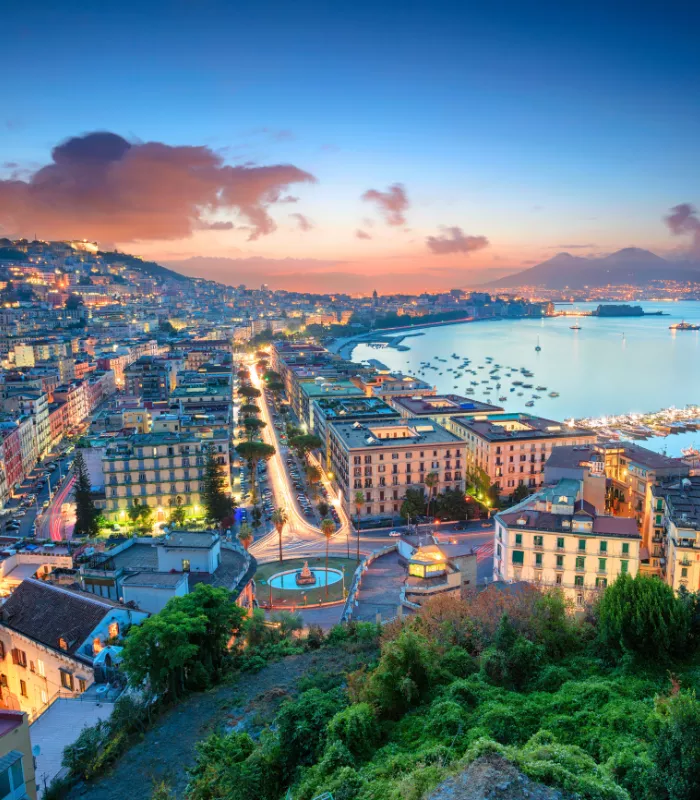
Naples is the gateway to Pompeii and the Amalfi Coast.
Those nearby attractions are wonderful. Naples itself, however, is a different story.
The port area can feel chaotic and overwhelming, especially for first-time visitors.
Petty theft is a known concern near tourist areas. Many cruise passengers feel uneasy walking around without a guide.
Traffic is heavy, and sidewalks are narrow. The city has a raw energy that some love, but many find stressful on a short visit.
That’s why most cruise passengers end up skipping the city entirely and heading straight to Pompeii instead.
The drive to Pompeii takes about 30 minutes, but organized tours fill up well in advance.
If you have not booked a tour before arriving, you may find yourself scrambling at the port.
Independent travel to Pompeii by train is possible, but can be confusing for first-time visitors.
The Amalfi Coast is breathtaking, but the winding roads can cause motion sickness, and the journey takes time.
By the time you factor in travel time, many passengers only get an hour or two at their actual destination.
Naples pizza is genuinely world-class, and that may be the highlight of the stop for many people.
But even a great pizza does not make up for a stressful and disorganized day ashore.
The city’s historic center is a UNESCO World Heritage Site, but it requires time and patience to appreciate.
Neither of those things is in abundant supply on a typical cruise stop here.
Why It’s On This List: Naples has real charm for those who know it well, but as a cruise stop, it can feel disorganized and unsafe for travelers who prefer a relaxed, easygoing experience.
4. Corfu, Greece
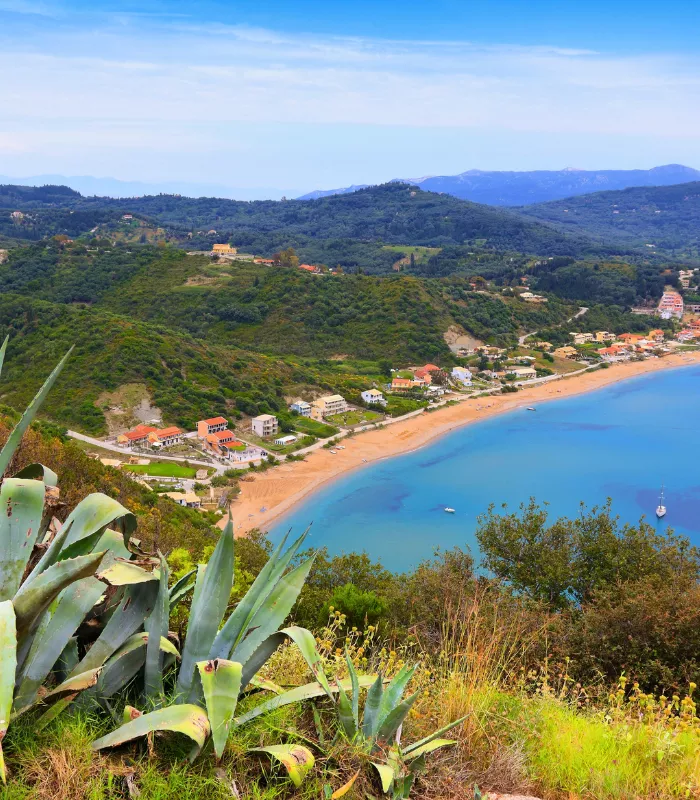
Corfu is one of the greenest and most beautiful Greek islands.
The Venetian-style old town is genuinely charming. But cruise ships bring so many visitors that the experience often falls flat.
The main town is small. When several ships dock at once, the streets become almost impossible to walk through comfortably.
Many of the shops near the port cater almost entirely to cruise passengers. Think souvenir magnets, cheap jewelry, and overpriced cafes.
The authentic Corfu is still out there. But you will not find it in the two or three hours most cruise itineraries allow.
The island’s best beaches and villages are spread out across the countryside and require a car or organized tour to reach.
Renting a car for half a day is possible, but logistically complicated when you are watching a return deadline.
Organized shore excursions are available, but they are expensive and often rushed.
The old town’s narrow lanes are lovely in the early morning before the crowds arrive.
By mid-morning, those same lanes are wall-to-wall with cruise passengers from multiple ships.
Local restaurants that once served the community have steadily been replaced by tourist-facing businesses.
That shift is common in heavily visited cruise ports, and Corfu is no exception.
The island’s real character, its olive groves, quiet villages, and local tavernas, sits beyond the port area.
Most cruise passengers never get far enough to see it.
Corfu rewards slow travel, which is the opposite of what a cruise stop offers.
Why It’s On This List: Corfu deserves more than a rushed cruise stop. The real beauty of the island is spread out and takes time to discover, making it a poor match for a short day visit.
5. Palma de Mallorca, Spain
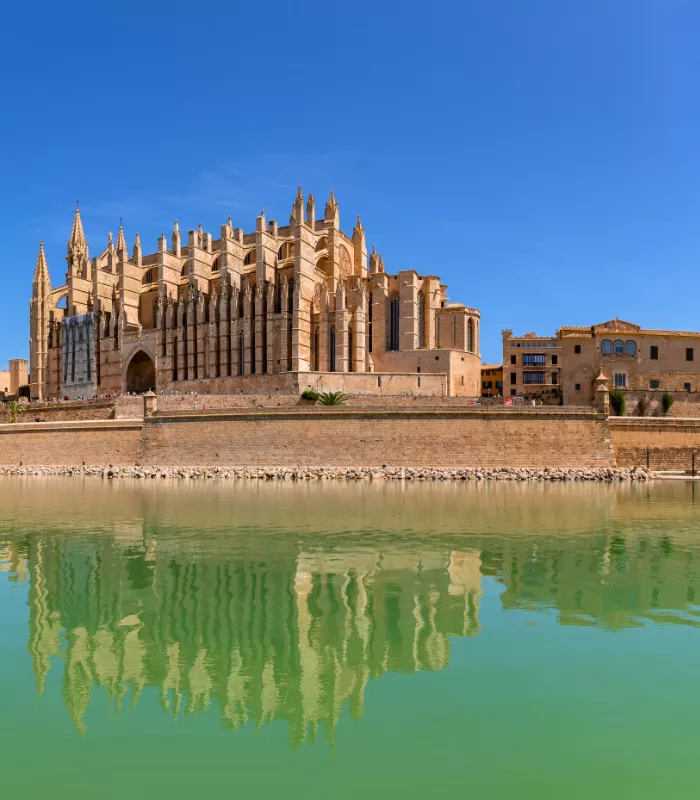
Palma is a lovely Spanish city with a grand cathedral and a beautiful waterfront.
But it has become one of the busiest cruise ports in Europe.
Some days, the city receives more than 20,000 cruise passengers. Locals have actually protested against the volume of cruise tourism in recent years.
The areas closest to the port feel more like a tourist trap than a real Spanish city.
You spend a lot of time walking to find something authentic, and by the time you do, it is almost time to return to the ship.
The famous La Seu Cathedral is stunning and worth a visit, but lines can be very long during peak season.
The old town has beautiful architecture, but the ground floors of many historic buildings are now souvenir shops or fast food outlets.
Palma’s best restaurants are tucked away from the tourist trail and require a bit of effort to find.
That effort is hard to justify when you only have a few hours.
The waterfront promenade is pleasant but heavily commercialized near the port.
Beaches require a bus or taxi ride, which again cuts into limited shore time.
Local residents have grown increasingly frustrated with the city’s dependence on cruise tourism.
That tension is sometimes visible in the atmosphere, which can feel less welcoming than other Spanish cities.
The real Palma, with its markets, local bars, and neighborhood life, is best experienced on a longer stay.
A cruise stop rarely scratches the surface of what this city actually has to offer.
Why It’s On This List: Palma is a great city for a longer stay, but as a cruise stop, it suffers from overcrowding and a port area that lacks the warmth and authenticity of real Spanish life.
6. Civitavecchia, Italy (Rome)
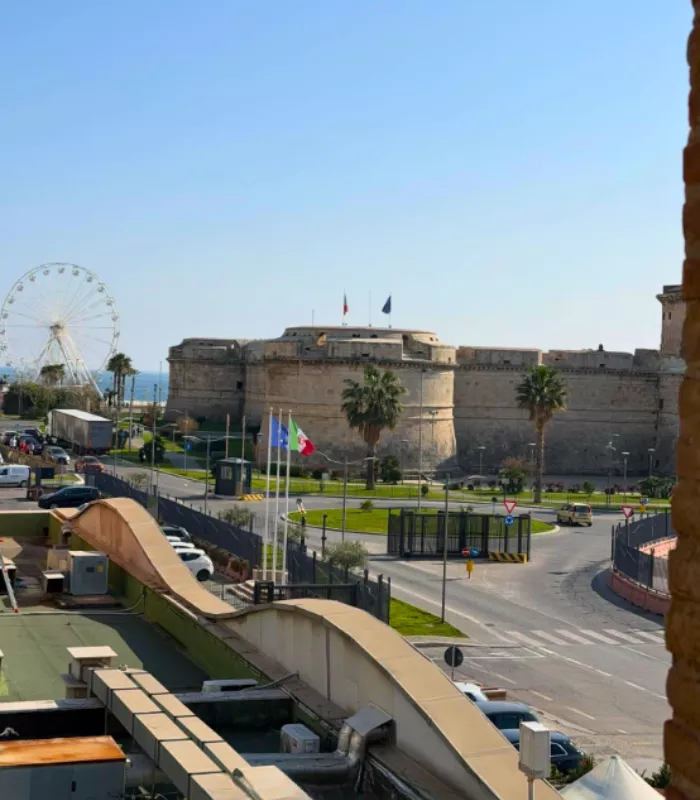
Civitavecchia is listed as the port for Rome on most cruise itineraries.
But here’s the deal: Rome is about 50 miles away. That is a 90-minute round trip by bus or train, minimum.
By the time you arrive in Rome, find your footing, and see even one or two sights, it is already time to head back.
Rome deserves days, not hours. Trying to see the Colosseum, the Vatican, and the Trevi Fountain in one afternoon is exhausting and disappointing.
Many travelers over 50 find the rush physically tiring and emotionally unsatisfying.
The Colosseum alone requires advance booking and can involve long waits even with a reserved ticket.
Vatican entry also requires pre-booking, and the lines stretch far outside the walls on busy days.
Getting between major sights in Rome takes time, as the city is large and traffic can be unpredictable.
Many cruise passengers resort to expensive private drivers to maximize their limited time, adding high cost to the day.
Organized shore excursions to Rome are widely available but tend to be fast-paced and surface-level.
You see the big landmarks from a distance or through a bus window more than you actually experience them.
The train from Civitavecchia to Rome is the most affordable option, but it adds stress and uncertainty to your day.
Missing the last train back is a real concern that weighs on many travelers throughout their visit.
Civitavecchia itself has very little to offer as a destination, so skipping the Rome trip leaves you with nowhere to go.
It is a no-win situation that makes this one of the most stressful stops on any Mediterranean itinerary.
Why It’s On This List: The long distance from the port to the city makes this one of the most frustrating cruise stops in Europe. Rome is world-class, but it cannot be done justice in a few rushed hours.
7. Santorini, Greece
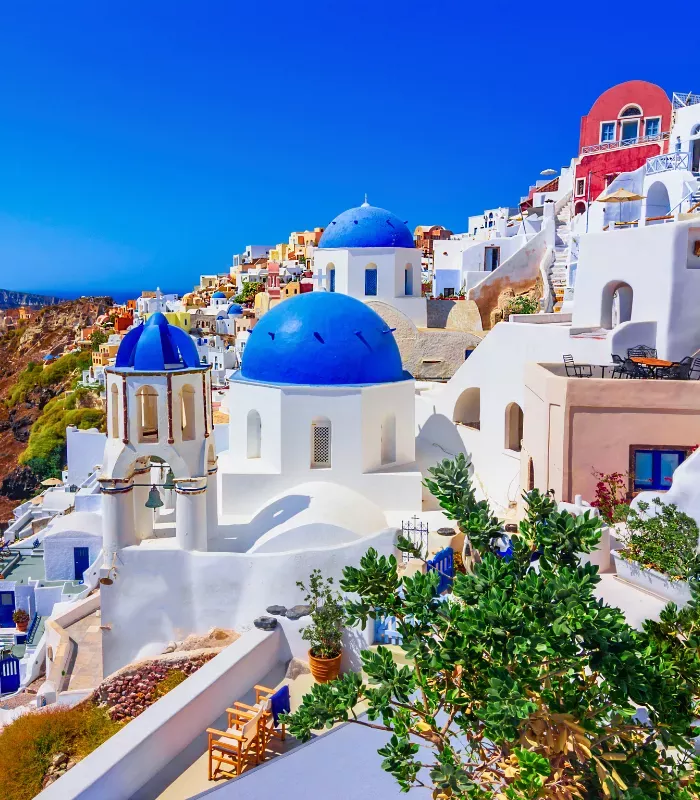
Santorini may be the most photographed island in the world.
The sunsets in Oia are iconic. The blue-domed churches are breathtaking.
But Santorini has a serious overcrowding problem. On busy days, the island receives up to 17,000 cruise passengers at once.
Cruise ships anchor offshore, and passengers must take a tender boat to reach the island. Then comes the famous cable car or the 588 steps up the cliff.
That’s why many older travelers find the experience physically demanding and not worth the effort for such a short visit.
The lines for the cable car alone can eat up an hour of your limited time ashore.
Donkey rides up the steps are still offered, but animal welfare concerns have made them controversial.
Once you reach the top, the main village of Fira is densely packed with visitors at nearly all hours.
The famous Oia sunset draws enormous crowds, but cruise passengers are typically required to return to the tender before sunset even occurs.
That means you travel all the way to the sunset capital of the world and miss the actual sunset.
Restaurants in Oia and Fira are among the most expensive in Greece, and reservations are nearly impossible to get on short notice.
The volcanic black sand beaches are beautiful but require a bus ride down from the clifftop villages.
Shopping is plentiful but overpriced, with many shops selling identical items across the island.
The tender boat back to the ship can involve long waits, especially late in the afternoon when everyone rushes back at once.
Santorini is genuinely one of the world’s most beautiful places, but a cruise stop is one of the worst ways to experience it.
Why It’s On This List: Santorini is stunning but physically challenging to access from a cruise ship. Combined with extreme crowds, the reality rarely lives up to the postcard image.
8. Valletta, Malta
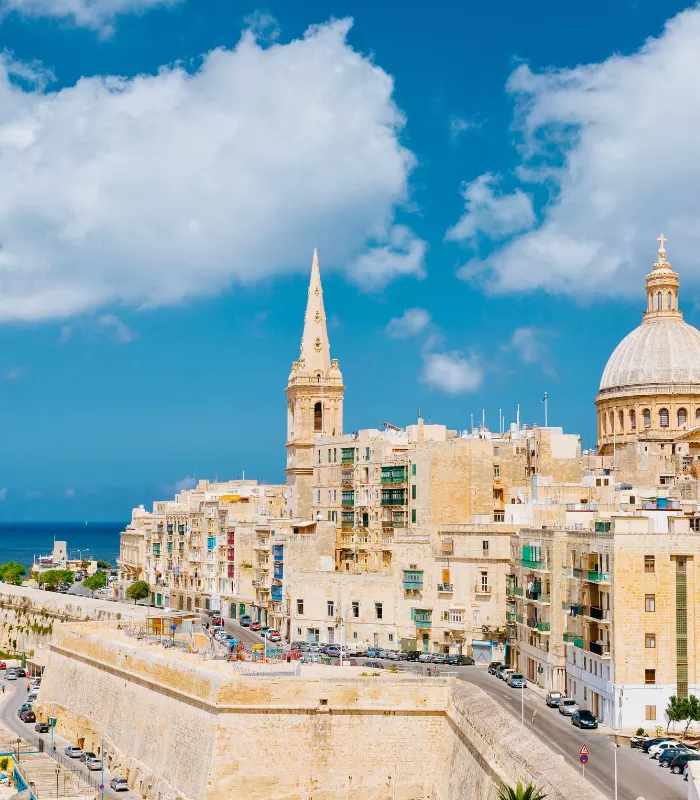
Valletta is the smallest capital city in the European Union.
It is a UNESCO World Heritage Site and genuinely fascinating. But it is also very small, and cruise ships can overwhelm it quickly.
The entire old city is only about half a mile long. There is not a lot to do once you have walked the main street and visited the co-cathedral.
Many cruise passengers feel they have seen everything within two hours and are left wondering what to do with the rest of their time ashore.
I made a classic mistake many travelers make here: expecting a full day of activities in a city built for a quiet afternoon.
St. John’s Co-Cathedral is genuinely world-class and one of the finest Baroque interiors in Europe.
But once you have visited the cathedral and walked Republic Street, the options narrow quickly.
The Upper Barrakka Gardens offer lovely views over the Grand Harbour and are worth a visit.
Beyond that, most travelers find themselves sitting in a cafe, wondering what to do next.
Day trips to the nearby town of Mdina are popular, but the added travel time cuts into an already short visit.
The Blue Grotto and the prehistoric temples of Hagar Qim are fascinating, but they are located too far from the port for a comfortable half-day trip.
Malta as a whole is a rich and rewarding destination that rewards travelers who stay for several days.
A cruise stop simply does not give you enough time to discover what makes the island special.
The port area has improved in recent years with new restaurants and shops, but it still feels underdeveloped compared to other European cruise ports.
Valletta is worth visiting, but it is best saved for a trip where you have the time to truly appreciate it.
Why It’s On This List: Valletta is historically rich but compact. For cruise travelers expecting a full day of exploration, it can feel underwhelming and too small to fill the time allotted.